Travel Insurance & Vaccines for China: What You Actually Need
On this page
Before you fly, two health questions come up and usually get the same vague answer: “get insurance” and “get your shots.” Neither is actually required for China, and nobody explains what you really need. Here’s the honest version I’d tell a friend — what’s mandatory (almost nothing), what’s genuinely worth it, and what you can skip.
The 30-second answer
- Travel insurance is not required for China — not for visa-free entry, not for the 240-hour transit. But you should still get it: China’s hospitals make you pay up front, and a real emergency can get expensive fast.
- No vaccines are required to enter China, with one exception: a yellow fever certificate if you’re arriving from a yellow-fever country in Africa or South America.
- Get one vaccine for sure: hepatitis A. It’s recommended for every visitor because it spreads through food and water.
- China is malaria-free. You do not need malaria tablets for a standard trip.
- See a travel clinic 4–8 weeks before you fly if you can — some shots need time to work.
Do you even need insurance?
Let’s start with the thing people ask most. China’s visa-free programs — the 30-day visa-free entry and the 240-hour transit — do not require you to show proof of insurance. Nobody at the border will ask for it.
That doesn’t mean you should skip it. The reason is simple and specific to China: public hospitals don’t bill your home insurer. You pay out of pocket first, then claim when you’re home. A routine clinic visit is cheap (see our guide to seeing a doctor), but a hospital stay, surgery, or a trip to a private international clinic is not — and neither is an emergency evacuation. That’s the one scenario where the bill can genuinely break a trip, and it’s exactly what insurance is for.
So: insurance is optional but strongly recommended. You want medical cover most of all. The other stuff (trip cancellation, lost bags) is nice to have but secondary — your real exposure is medical.
What your policy should cover
Not all travel insurance is equal. When you compare policies, look for these, in this order:
| Cover | Why it matters for China |
|---|---|
| Medical & hospital | The whole point. Look for a solid limit — at least USD 50,000, ideally more. |
| Emergency evacuation | If you’re seriously ill or injured, getting you home or to a better facility is the single most expensive thing that can happen. |
| Direct billing with international clinics | Clinics like United Family (和睦家), Raffles and Parkway often bill insurers directly — this means you don’t pay up front at all. Check whether your policy lists them. |
| Trip cancellation / interruption | Covers you if you have to cancel or cut the trip short. |
| Baggage & personal effects | Nice to have; usually a low limit. |
| Adventure activities | If you’re hiking, cycling or doing anything the insurer classes as “extreme,” check it’s not excluded. |
One honest tip: the two big Western-style clinic chains in China, United Family and Raffles/Parkway, are where direct billing actually works. If your policy covers them, a medical problem becomes “walk in, show your card, leave” instead of a paperwork project.
The one China-specific quirk: you pay first, claim later
This catches people off guard, so let me spell it out. In most of the world your insurer talks to the hospital and the bill never touches you. In China, at a public hospital, you settle the bill yourself — then claim it back. The bill is usually small, but the process is yours:
- Pay at the hospital with Alipay or WeChat Pay (or cash).
- Keep every receipt and document — registration slip, diagnosis, prescriptions, invoices.
- Claim on your insurance when you’re home, with those receipts.
The exception, again, is international clinics with direct billing. Everything else, save the paper. See our guide to seeing a doctor for the full walkthrough of hospitals, registration and paying.
Vaccines: required vs recommended
Here’s the part with the clearest confusion. Let’s split it cleanly.
Required
- Nothing, for almost everyone.
- Yellow fever — a certificate is required only if you’re arriving from a yellow-fever-endemic country in Africa or South America. For most visitors this never comes up.
Worth getting
These are the ones a travel clinic will actually suggest:
| Vaccine | Who needs it | Notes |
|---|---|---|
| Routine vaccines | Everyone | Make sure MMR, Tdap (tetanus), polio, flu and COVID are up to date — do this first. |
| Hepatitis A | Everyone | Spread through food and water. One dose before you fly gives useful protection in ~2 weeks. |
| Hepatitis B | Many travellers | For longer stays, or any chance of blood/body-fluid contact (medical procedures, tattoos, intimate contact). |
| Typhoid | Some travellers | Rural areas, long stays (a month+), or uncertain sanitation. Not needed for a short city trip. |
| Japanese encephalitis | Few travellers | Only for long stays or rural/agricultural travel in mosquito season (roughly May–October). Not for city-only trips. |
| Rabies | Few travellers | Only if you’ll be outdoors a lot in rural areas or around animals. |
Not needed
- Malaria tablets — no. China was declared malaria-free by the WHO in 2021. A standard tourist itinerary needs no antimalarials. The only residual risk is in remote border areas with Myanmar, which you’re unlikely to reach on a normal trip.
Timing: when to get each shot
Vaccines don’t all work instantly. If you can, see a travel clinic 4–8 weeks before you fly. If you’ve left it late, don’t panic — the important one (hepatitis A) still helps even a couple of weeks out.
| Vaccine | When to get it |
|---|---|
| Hepatitis A | Any time up to ~2 weeks before; a second dose 6–12 months later for long-term cover |
| Hepatitis B | 3 doses over months (or an accelerated 0/7/21-day schedule + a later booster) |
| Typhoid | 1–2 weeks before (injectable, lasts 2–3 years) |
| Japanese encephalitis | 2 doses, 28 days apart — finish at least a week before you go |
| Routine / flu / COVID | As soon as possible |
If you’re reading this a week before your flight: get hepatitis A if you haven’t, and skip the rest — a short city trip is low risk without them.
Pre-trip health checklist
- Buy travel insurance with medical cover (and check for direct billing with international clinics)
- Check your routine vaccines are up to date; get hepatitis A if you can
- Bring enough prescription medicine for the trip, plus a doctor’s letter for anything controlled
- Pack a small first-aid kit (plasters, painkillers, antihistamine, anti-diarrhoea)
- Install a translation app that works in China — for a pharmacy or doctor visit
- Save the emergency number 120 and your hotel’s name in Chinese
- Save our survival phrases for the medical ones, just in case
Keeping this page accurate
Vaccine recommendations and insurance norms change, and so do China’s entry rules. We keep this page up to date: the date below shows when it was last checked, and we refresh it whenever something changes. For the latest entry rules, see our visa guide. If you spot something out of date, contact us.
Disclaimer: This is practical advice from fellow travellers, not medical or legal advice. Your vaccines depend on your itinerary, health and history — talk to a doctor or travel clinic before you go.
Image credits
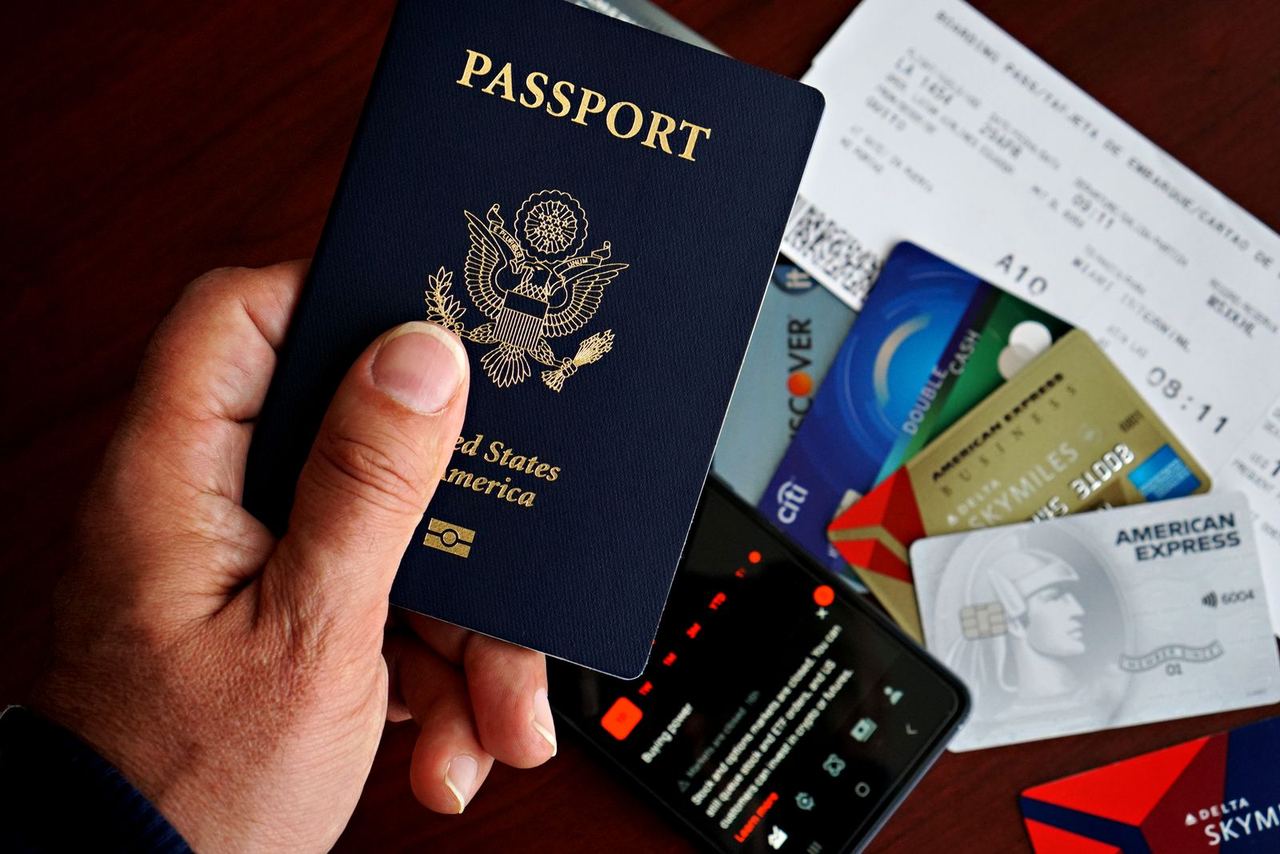
Cover photo via Pexels (used under the Pexels License — attribution appreciated but not required): travel documents laid out before a trip — DΛVΞ GΛRCIΛ.