How to Spend 3 Days in Beijing
North
On this page
Beijing is the trip most people imagine before they imagine China. The Great Wall, the Forbidden City, roast duck, a sea of bicycles at an intersection — you already know the postcard. What nobody tells you until you’re standing at a closed gate is that Beijing is also the one city in China where the itinerary you plan is only half the story. The other half is whether you managed to book it.
For almost every headline sight, there is no ticket office where you walk up and pay. You reserve online, with your passport, days in advance — or you watch the gate close with a hundred other people who made the same mistake. This guide is the three-day route we’d hand a friend, with the booking reality woven in where it matters, because in Beijing the two can’t be separated.
The one thing to understand before you plan anything
Beijing’s big sights run on real-name advance reservation, and the most important ones are not interchangeable with a queue:
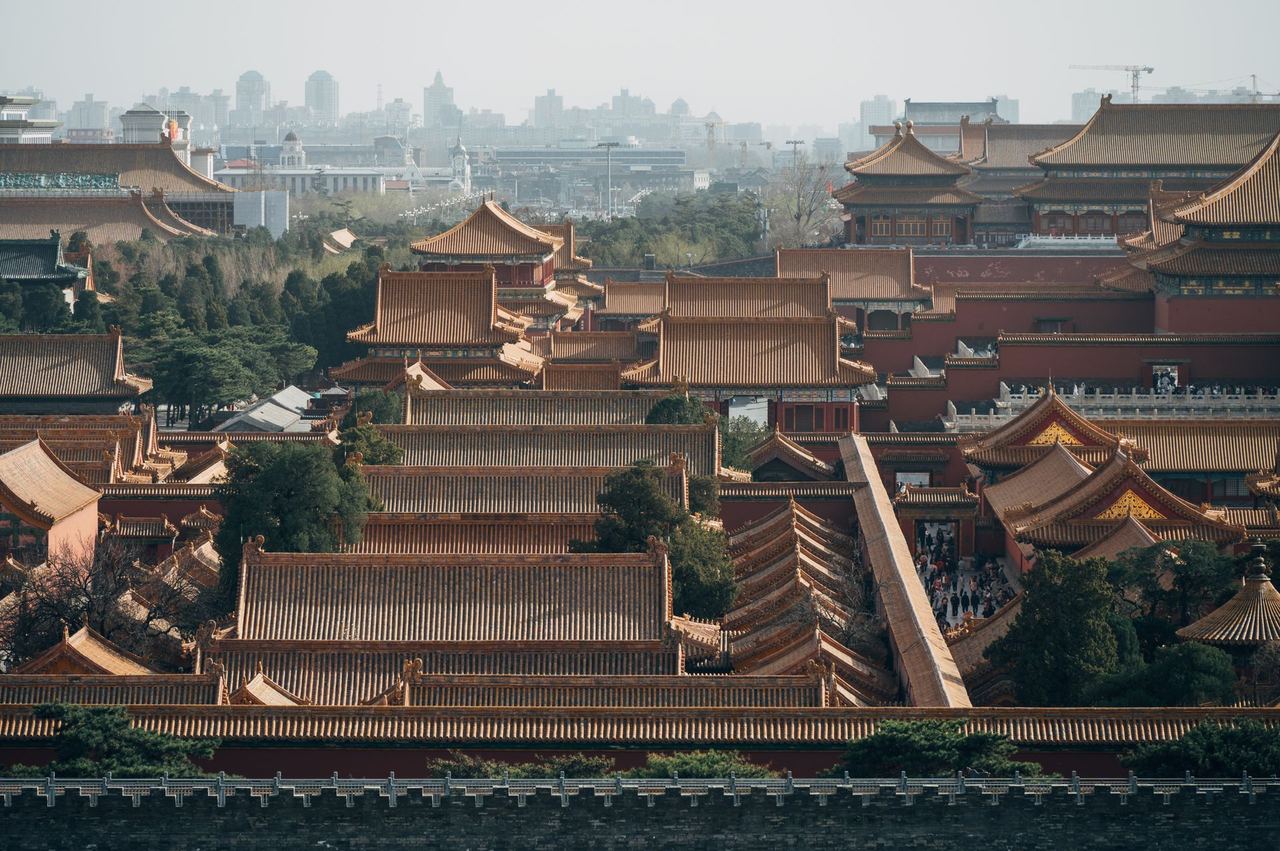
- The Forbidden City (故宫 / Palace Museum) — no on-site tickets, full stop. Tickets release seven days ahead on the official WeChat mini-program “故宫博物院” or the Palace Museum site, bookable with a passport number. Peak season (April–October) is roughly ¥60, off-peak ¥40. It is closed every Monday (except public holidays). On busy weeks the good slots vanish within minutes of release — this is the single booking you build the rest of your trip around, not the other way round.
- Tiananmen Square (天安门广场) — free, but real-name reservation required too (the “天安门广场预约参观” mini-program). No reservation, no entry onto the square.
- National Museum of China (国博) — free, reservation required, closed Mondays.
The rule we repeat to friends: once you know your dates, book the Forbidden City first, then build around it. Everything else in Beijing is more forgiving. This one is not.
When to go
- Spring (April–May) and autumn (September–October) are the sweet spot — clear skies, mild temperatures, and the light that makes the red walls glow.
- Summer (June–August) is hot, humid and the domestic-school-holiday peak. Expect crowds everywhere and book further ahead.
- Winter (November–March) is cold but crisp and much quieter, and the Forbidden City under a light snow is worth every layer. Prices drop to off-peak too.
Getting in and where to stay
Beijing has two airports: Capital (PEK) to the northeast and Daxing (PKX) to the south. Both are linked to the centre by the Airport Express (about ¥25) and the metro, and a taxi from either is roughly ¥100–150 to the city centre.
For a first trip, stay inside the Second Ring Road — the area around Wangfujing, Dongdan or the hutongs near the Forbidden City puts you walking distance from the Day 1 sights and saves you two metro commutes a day. The metro is excellent and cheap (¥3–9 a ride), but in Beijing the metro stations are famously far apart on the map and in reality — a hotel near the centre is worth the premium. Budget: hostel beds ¥80–150, comfortable hotels ¥300–600, international brands ¥800+.
Day 1: the Forbidden City and the heart of the city
Morning · Tiananmen Square
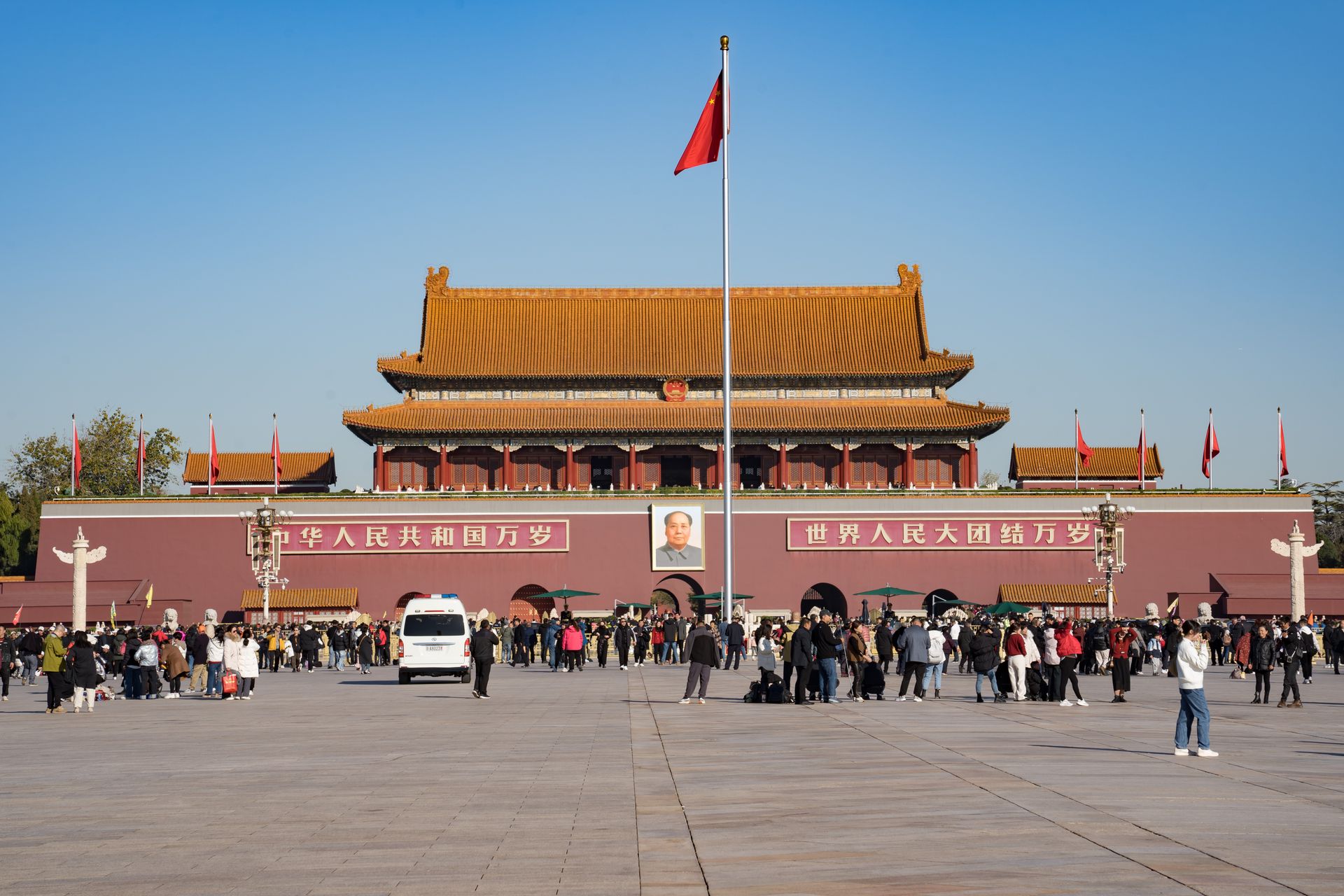
Start early at Tiananmen Square, the vast stone heart of the capital, framed by the Great Hall of the People on one side and the National Museum on the other. Security is real: bring your passport, expect bag checks, and allow time. The square is at its most stirring at dawn for the flag-raising, but most visitors are fine arriving after 9am.
Midday · the Forbidden City
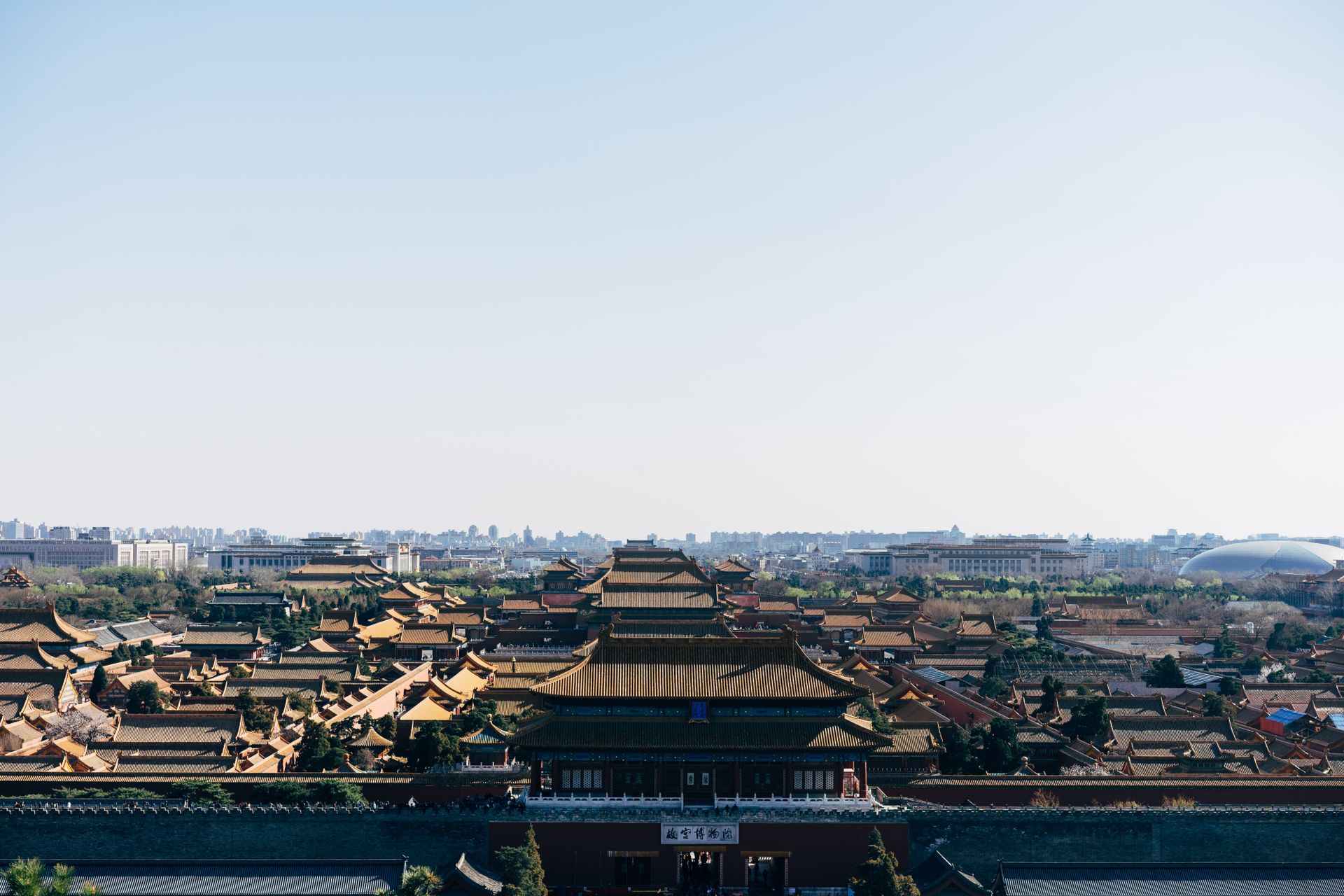
Walk north through the Tiananmen Gate and you’re in the Forbidden City, the Ming–Qing palace that was home to 24 emperors. It’s not one building — it’s 980 buildings across 72 hectares, a straight-line march of gate, courtyard and throne hall that gets more magnificent the deeper you go. The crowds thin after the first two halls, so don’t spend your energy at the front.
Give it three to four hours. Two tips that pay off:
- Add the Treasure Gallery and Clock Gallery (about ¥10 each) — the crowds don’t reach them and the contents are the best in the palace.
- Exit through the north gate and climb Jingshan Park (景山) directly opposite. From the pavilion on top you look back over the entire palace — it’s the single best view in Beijing and costs about ¥2.
Evening · the hutongs
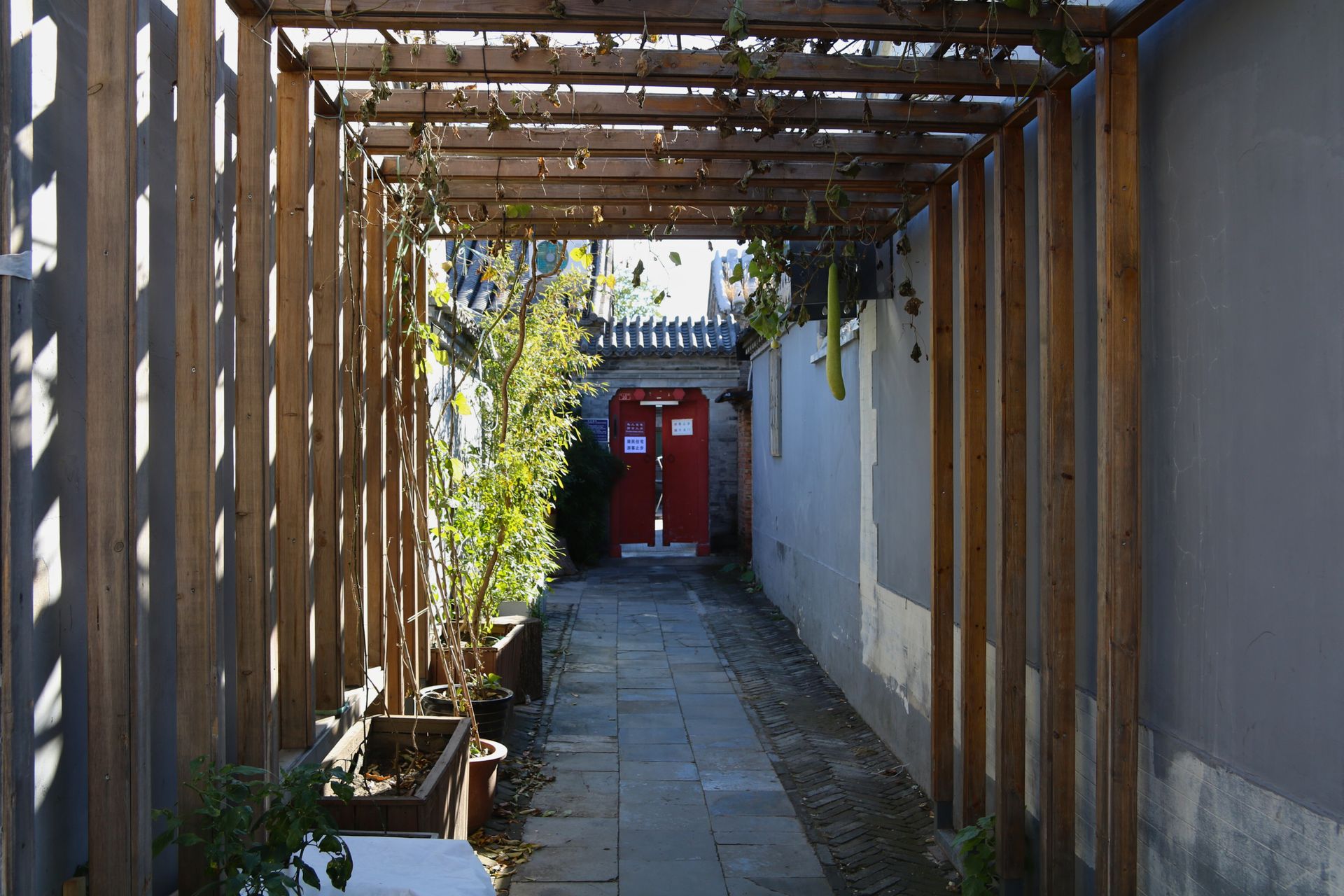
Finish the day in the hutongs — the maze of grey-brick alleyways that is what Beijing looked like before the wide roads. Nanluoguxiang (南锣鼓巷) is the famous one and the most touristy; for something calmer, drift west toward Shichahai (什刹海), the string of lakes ringed by bars and old courtyards. Rent a bicycle, get politely lost, and eat dinner somewhere with a courtyard rather than a menu in English.
Day 2: the Great Wall (pick the right section)
The Wall is not one place — it’s thousands of kilometres, and Beijing’s accessible sections offer very different days out. The choice that matters:
| Section | Distance from centre | Crowd level | The feel |
|---|---|---|---|
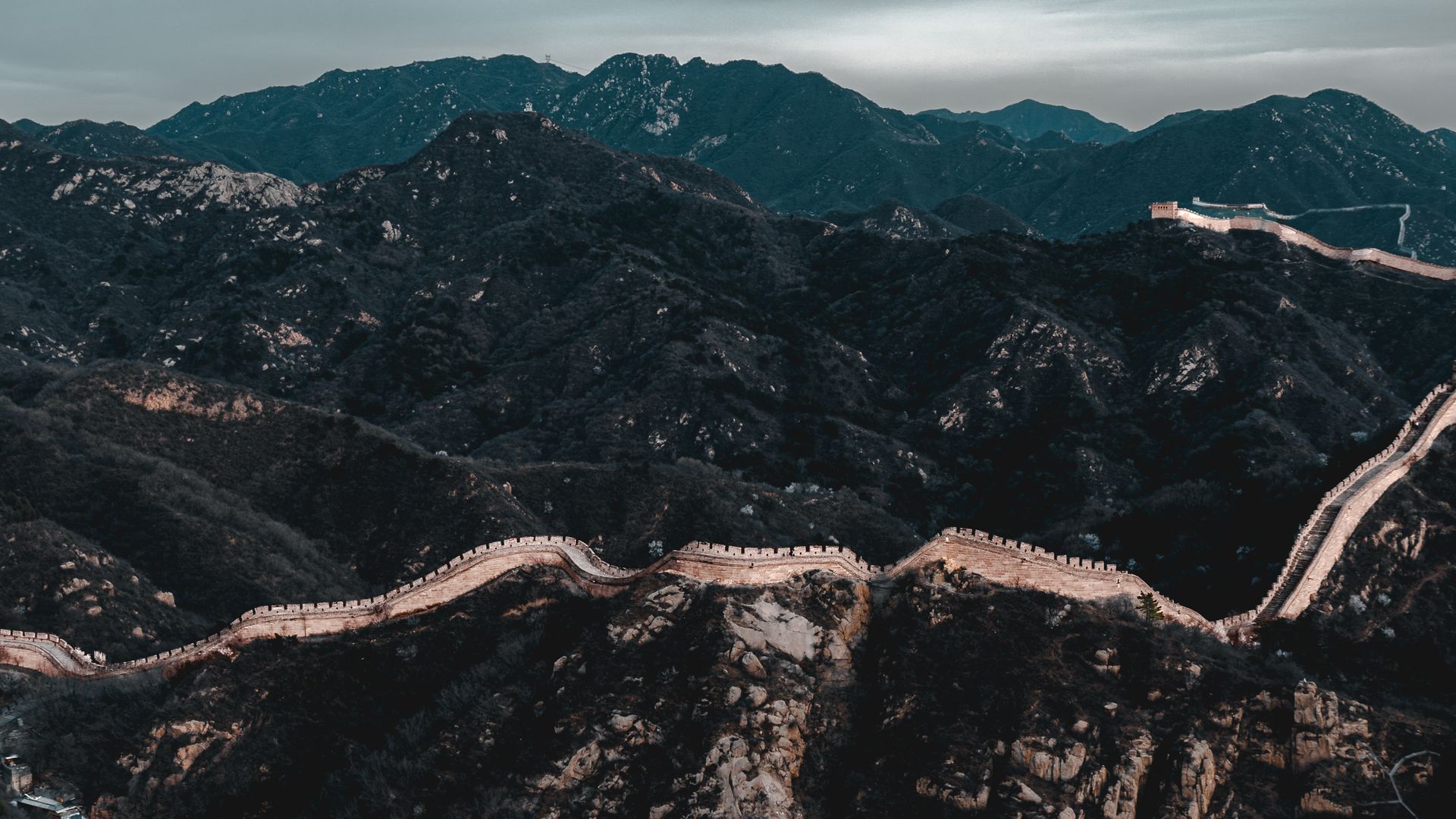
| Badaling (八达岭) | ~60 km | Highest | The famous, restored, busiest section; easiest to reach by high-speed rail |
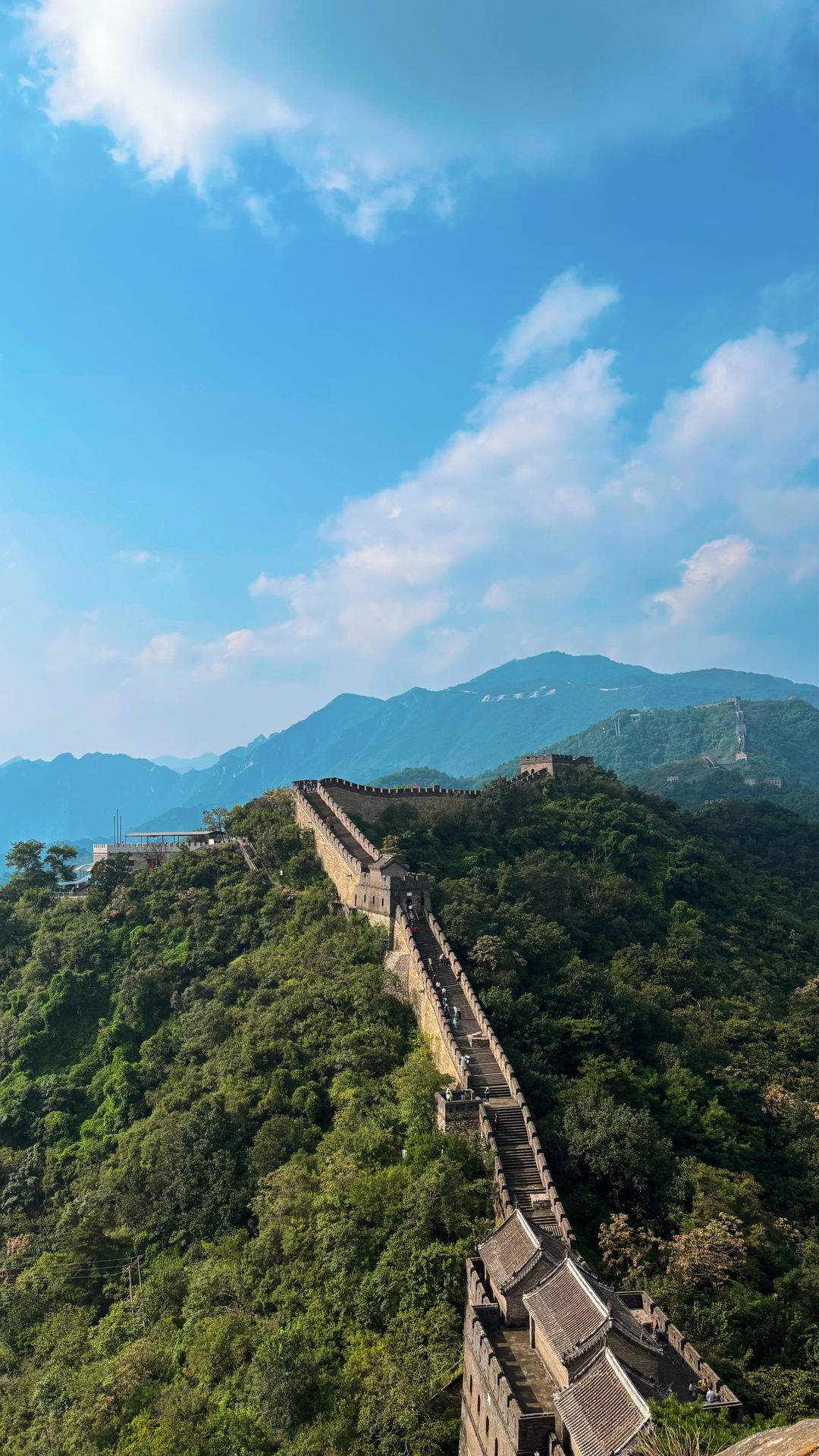
| Mutianyu (慕田峪) | ~70 km | Moderate | Restored but far calmer, with a cable car and a toboggan slide down |
| Jinshanling (金山岭) | ~130 km | Low | Part-wild, most dramatic, but a full-day commitment |
Our advice for a first trip: Mutianyu. It’s the balance point — restored enough to walk safely, busy enough to have facilities, quiet enough that you can actually take a breath on the wall itself. A cable car takes you up and, for the way down, there’s a toboggan that’s genuinely fun. Badaling is fine if you want the classic name and the fastest train, but expect to share it with a crowd the whole way.
Getting there:
- Mutianyu — no direct train. Easiest is a taxi or Didi (about 1.5 hours, ¥200–300), or a tourist bus from Dongzhimen. Tickets roughly ¥40, plus ¥15 shuttle and around ¥140 for the cable car round-trip.
- Badaling — take the high-speed rail from Beijing North station (about 30 minutes, book on 12306 with your passport) or the slower S2 tourist train. Tickets roughly ¥35–40.
Whichever you pick, go early. The Wall is at its best before 9am and the drive back puts you in the city by mid-afternoon. Bring water, wear real shoes, and in summer bring a hat — there is no shade on the wall.
Day 3: temples, a lake, and the roast duck
Morning · Temple of Heaven
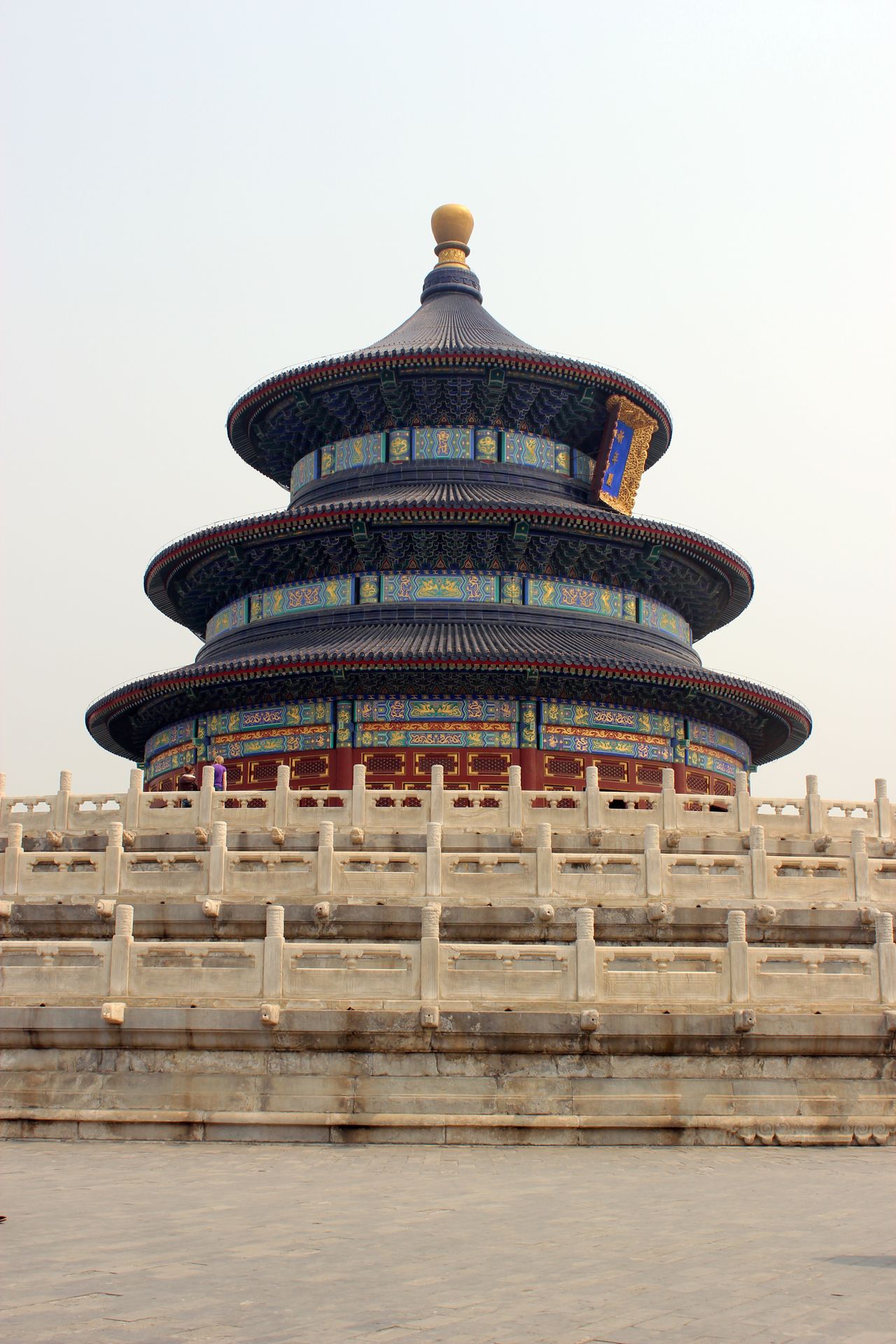
Start at the Temple of Heaven (天坛), the round, triple-roofed hall where emperors prayed for the harvest. The building itself is the icon, but the real pleasure is the park around it — by 8am it’s full of locals doing tai chi, playing badminton and singing opera, which is a better window into the city than any monument. Buy the through ticket (about ¥34 peak) so you can actually enter the hall, not just the park.
Afternoon · Summer Palace or a slow hutong morning
Two honest options, depending on your energy:
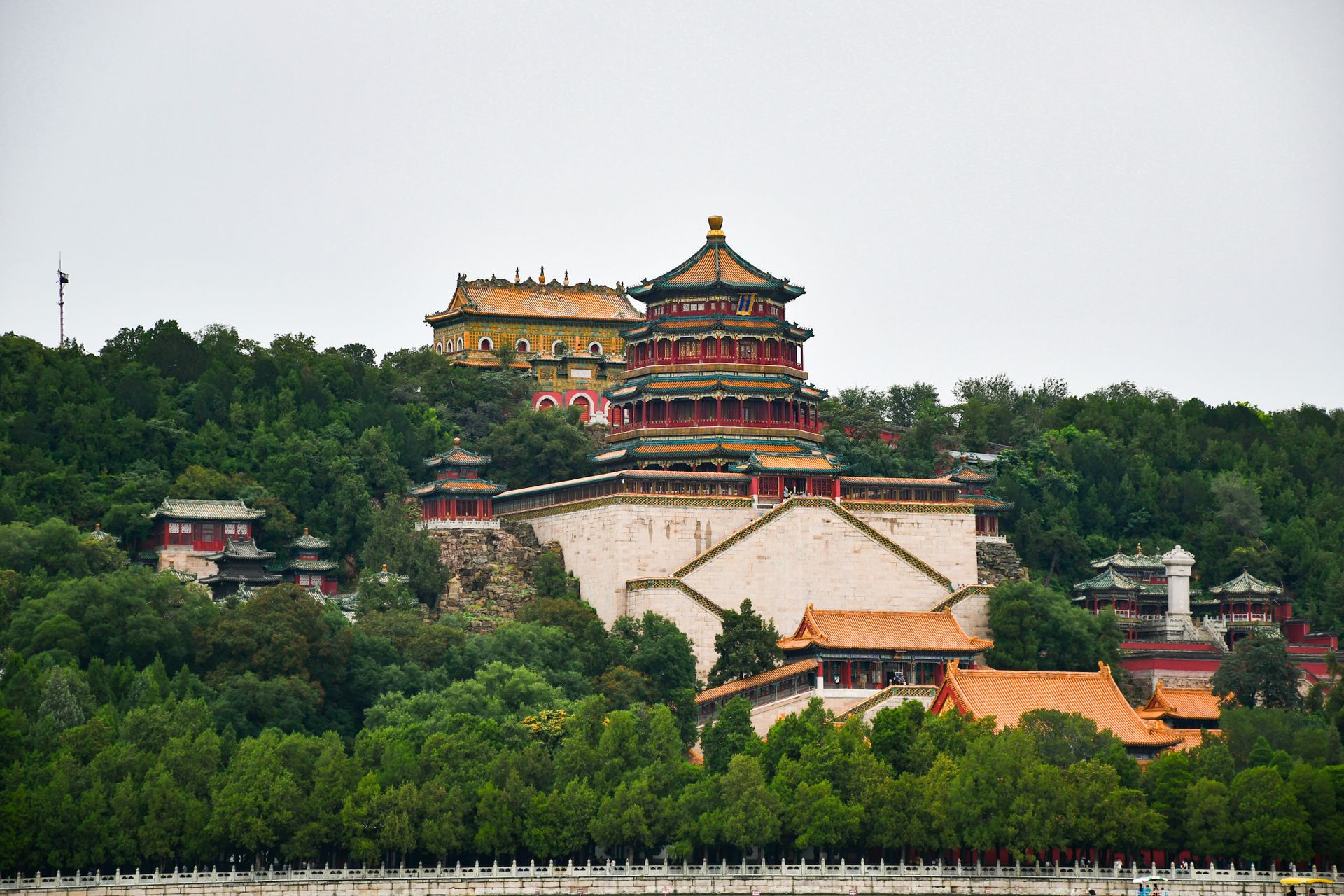
- Summer Palace (颐和园) — the Qing emperors’ summer retreat, a lake and a long covered corridor an easy metro ride west. Through ticket roughly ¥60 peak / ¥50 off-peak. Give it half a day.
- Or skip it and take a slow morning: wander the hutongs you missed, visit the Lama Temple (雍和宫), or do last-minute gift shopping. Beijing rewards the day that isn’t over-scheduled.
Evening · the roast duck
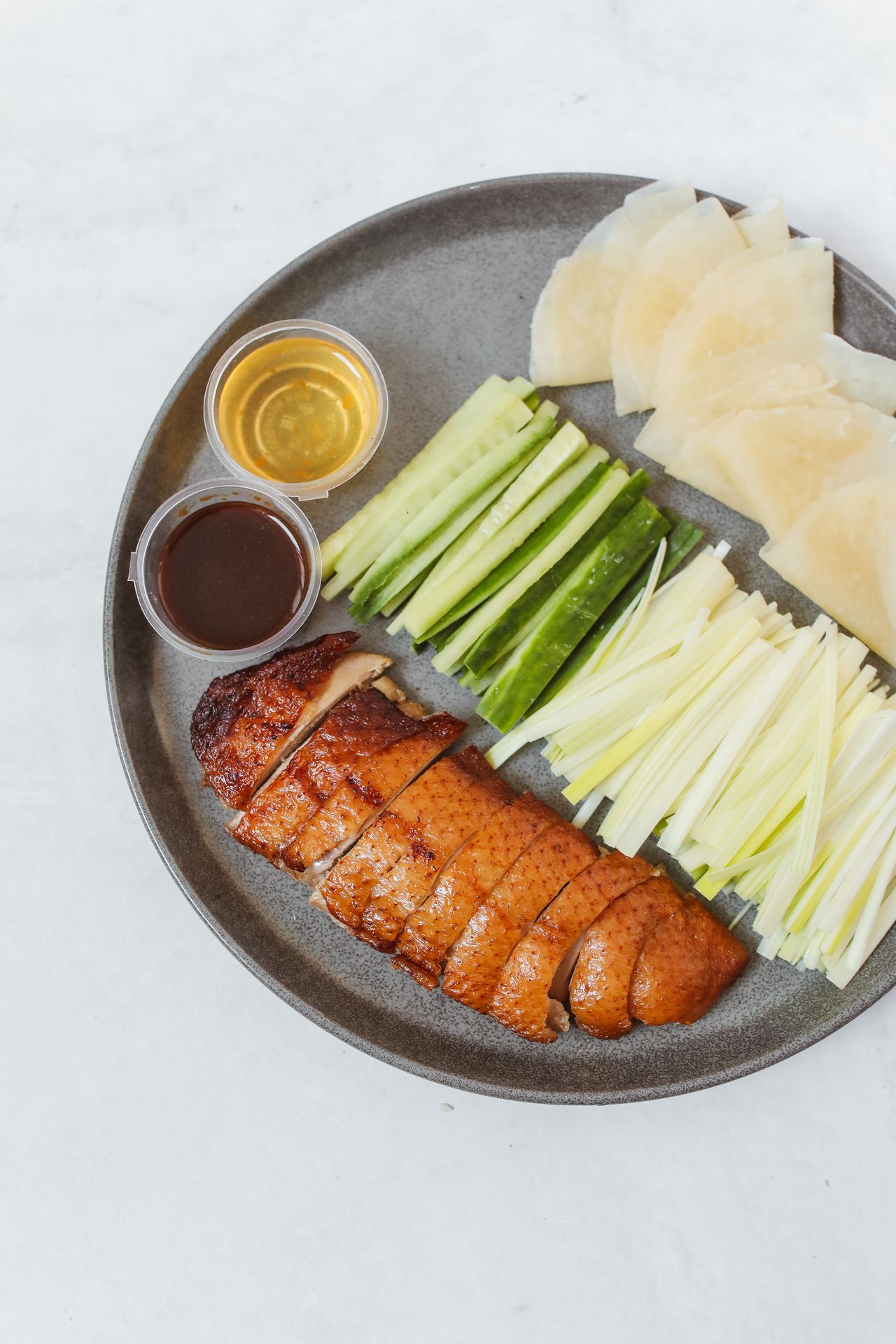
You’ve earned the Peking duck (北京烤鸭). It’s carved at the table — crisp skin, tender meat, wrapped in a thin pancake with spring onion and sweet bean sauce. The big names (Quanjude, Siji Minfu) are reliable; the neighbourhood places locals actually eat at are half the price and twice the character. Expect ¥100–250 per person at a decent place. Book ahead for the famous ones.
What to eat — the shortlist
| Dish | Pinyin | What it is |
|---|---|---|
| 北京烤鸭 | Běijīng kǎoyā | Roast duck, carved at the table, in thin pancakes |
| 炸酱面 | zhájiàng miàn | Noodles with fermented soybean paste |
| 豆汁儿 | dòuzhīr | Fermented mung-bean drink — an acquired taste, try at your own risk |
| 糖葫芦 | tánghúlu | Candied hawthorn on a stick, sold on the street |
| 驴打滚 | lǘdǎgǔn | Glutinous rice roll dusted in soybean flour |
For the full story on ordering, dietary needs and menu survival, see our guide to eating in China.
Practical tips (Beijing edition)
| Thing | Our advice |
|---|---|
| Passport | Carry the physical passport daily — you need it for bookings, ticket gates and hotel registration. |
| Booking | Book the Forbidden City the moment your dates are fixed, then plan around it. |
| Getting around | Metro ¥3–9, English signs throughout. Didi works well; taxis rarely take cash. |
| Payment | Everything is Alipay/WeChat Pay — see our payment guide. |
| Visas | Beijing is a major entry point for the 240-hour transit and 30-day visa-free policies — see our visa guide. |
| Getting online | Set up data/eSIM before you land so booking apps work at the airport — see our connectivity guide. |
| Handy phrases | 「在哪儿」 (where is), 「多少钱」 (how much), 「预约了吗」 (is it booked). |
| Weather | Dry, and cold in winter — bring lip balm and a layer. |
Image credits
Photos via Pexels (Pexels License): the Forbidden City from above — 征宇 郑; Tiananmen Gate — YFS Visuals; the Palace Museum — Markus Winkler; hutong alley — Bruna Santos; Mutianyu — Afham Hamsyari; Badaling — sanynjez gao; Temple of Heaven — 满意 王; Summer Palace — 袁 勇博; Peking duck — Polina Tankilevitch.