Chongqing Travel Guide: China’s 8D Mountain City in 2–3 Days
Southwest
On this page
Chongqing is the city that never got the memo about flat ground. Streets rise and fall like a roller coaster, the metro dives straight through an apartment block, and you can step out of a building’s ground floor only to find you’re on the 11th floor of the next one over. It’s loud, it’s spicy, it’s wrapped in fog half the year — and honestly, it’s one of the most fun cities in China to just wander around in.
If you only have a couple of days, don’t try to be efficient. Chongqing rewards slowing down, taking the wrong staircase, and following the smell of chilli oil. Here’s the trip I’d hand to a friend.
Why Chongqing feels like another planet
People call Chongqing the “8D city”, and once you’ve been here you’ll understand why. It’s built on mountains where two giant rivers — the Yangtze and the Jialing — meet, so the city grew up instead of out. The result is a place where “upstairs” is a real direction, a lift can take you to a street, and Google-style flat-map logic quietly falls apart.
That’s part of the charm, but it has one practical consequence: trust your map app, not your intuition. When the map says you’re on the 22nd floor while you’re standing next to what feels like a ground-floor shop, the map is probably right. You’ll get used to it — and weirdly, you’ll miss it when you leave.
When to go
The comfy windows are spring (March–May) and autumn (October–November). Summer is when Chongqing earns its nickname the “Furnace” — July and August routinely push past 40°C (104°F), and you’ll be climbing hills in that heat. Winter is mild but famously foggy; the upside is that the city’s night lights look magical through the mist.
A small confession: if you can only visit in summer, don’t panic. You’ll just structure your days around air-con, river breezes, and iced drinks — which is exactly what half the locals are doing anyway.
Getting in and where to stay
Most people land at Chongqing Jiangbei International Airport (CKG). Metro Line 3 runs straight from the airport into the city (about 40 minutes), or you can grab a taxi for roughly ¥60–80.
For a short stay, base yourself in Yuzhong district, around Jiefangbei or Hongyadong. You’ll be able to walk to a lot of the core sights, and the metro interchanges there make the rest easy. Budget-wise: hostel beds run ¥60–100, comfortable hotels ¥250–450, and river-view five-star rooms ¥600–1,200. If you want to fall asleep looking at the peninsula’s lights, book a river-view room on Nanbin Road across in the south bank — the skyline is right outside your window.
Day 1: the Yuzhong peninsula
Morning · Jiefangbei and Bayi Food Street
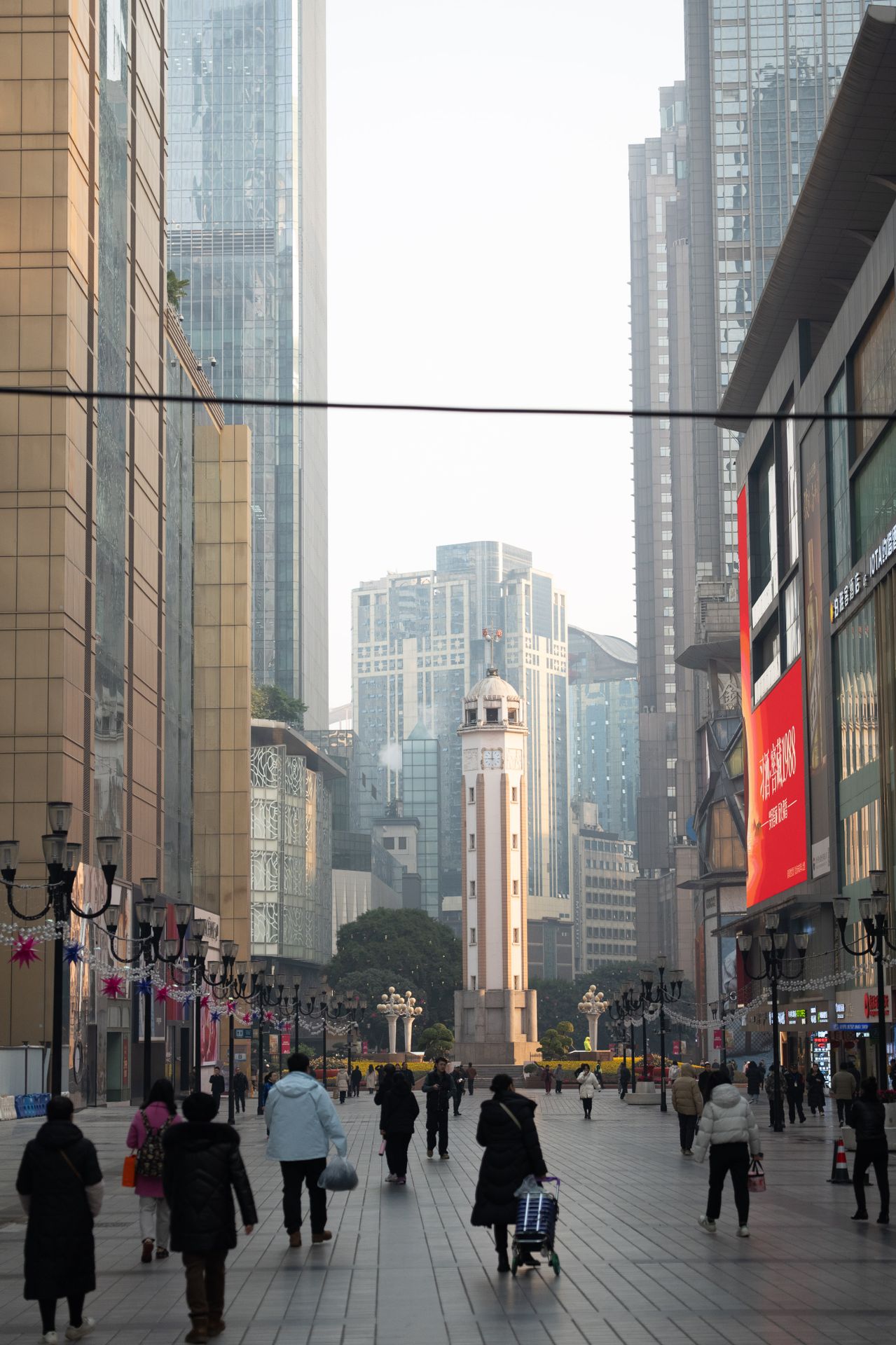
Start at Jiefangbei, the pedestrian heart of the city. The square is named for the Liberation Monument, the only national monument in China commemorating victory in the War of Resistance. Right beside it is Bayi Haochi Street (八一好吃街), a long strip of snack stalls — this is where you should have your xiaomian initiation.
Order a bowl of Chongqing xiaomian (小面) — spicy, numbing noodles for about ¥10–15, the taste you’ll associate with this city forever. While you’re at it, try chaoshou (抄手), the local wontons, and a bowl of youcha (油茶), a breakfast porridge of fried rice and spices. The best stalls usually have Chinese-only signs and a long line of locals — follow the queue. It never lies.
Afternoon · the Liziba monorail
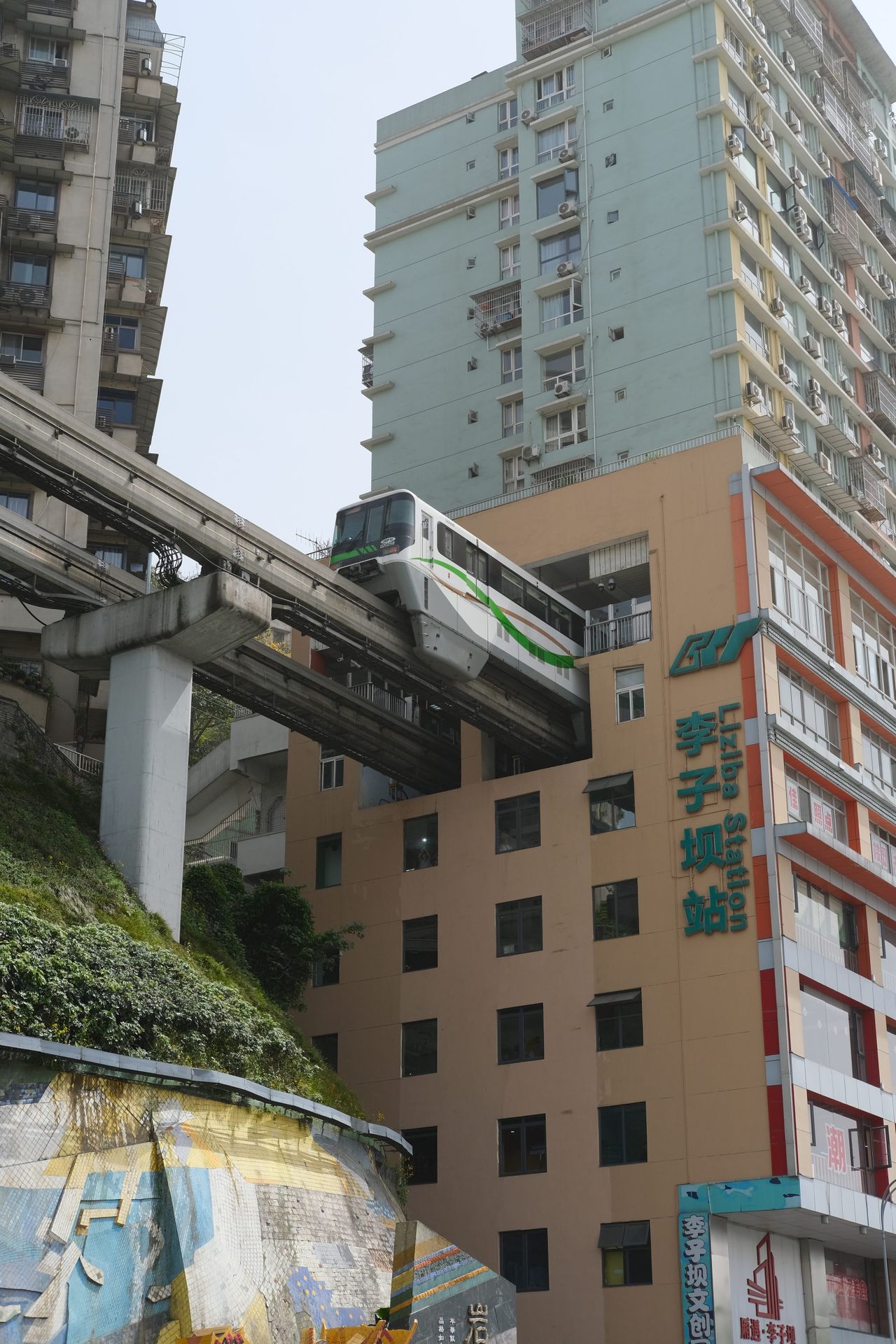
Take Metro Line 2 to Liziba Station and watch a train drive straight through a residential building. The station sits on the 6th–8th floors of a tower block, and there’s a purpose-built viewing platform below for exactly this photo.
Afterwards, head to Eling Testbed 2 (鹅岭二厂), an old printing factory turned creative park perched on a hill. It’s one of the best free viewpoints over the peninsula.
Evening · Hongyadong
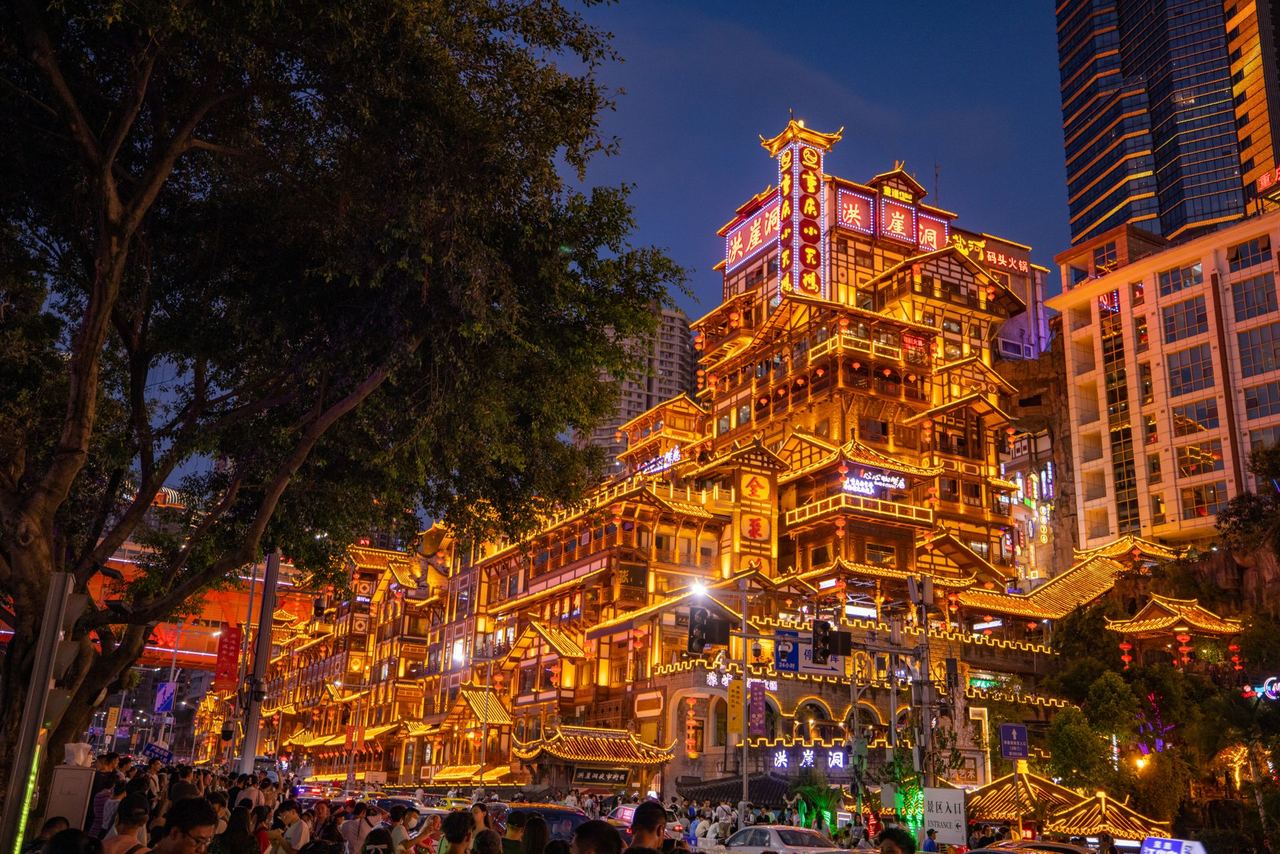
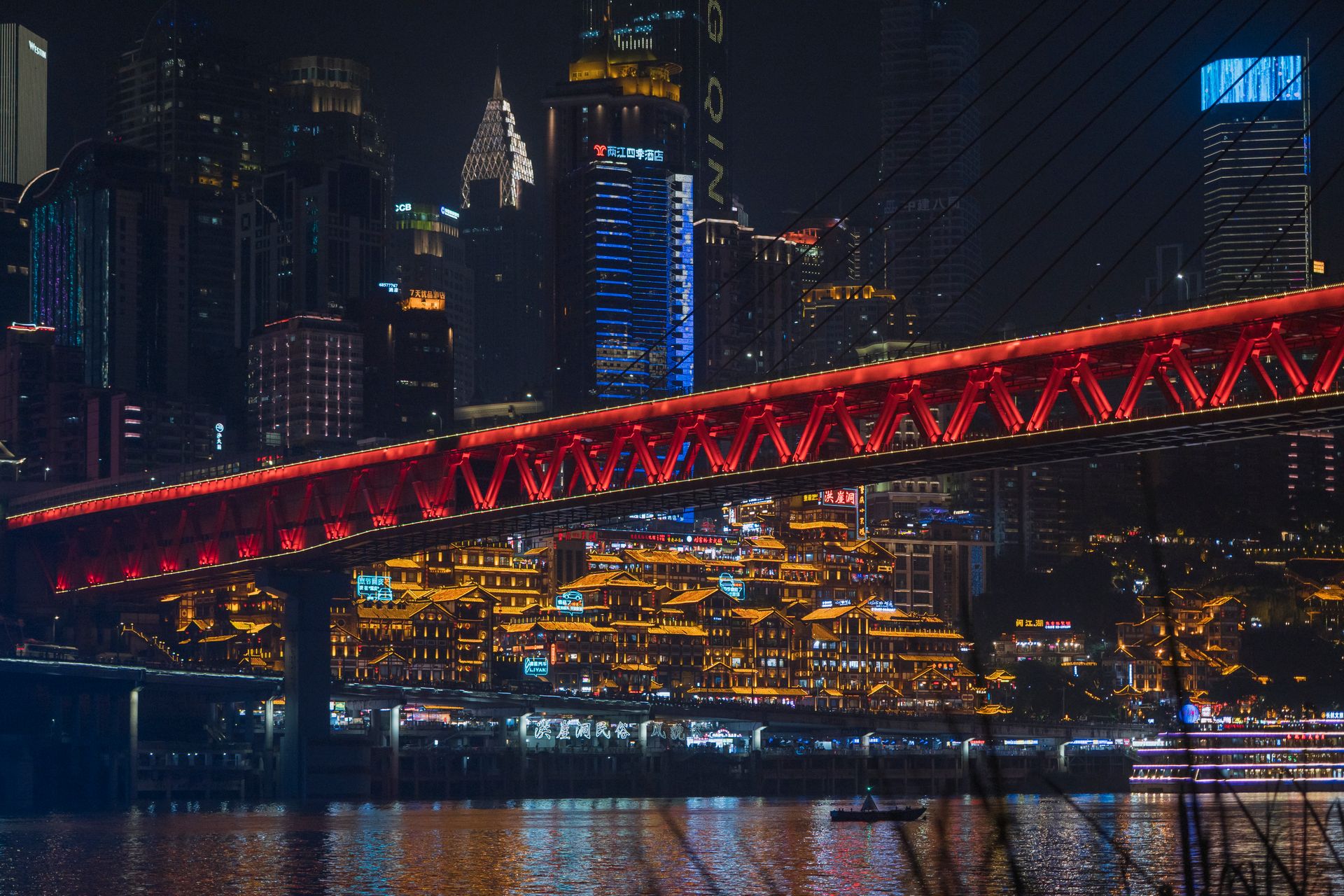
Wait for dark, then go to Hongyadong. This stack of eleven stilt-house floors lights up like a golden palace floating over the Jialing River — people call it the real-life version of the bathhouse from Spirited Away. The inside is just a shopping street, but the trick only Chongqing pulls off is that the 1st floor and the 11th floor both open onto real streets, each on a different level.
Eat dinner nearby, then walk out onto Qiansimen Bridge for the panorama. The view from the bridge is far better than anything from inside the crowd.
Day 2: cross the river, eat well
Morning · the Yangtze River Cableway
The Yangtze River Cableway has been running since 1987, and it’s still the most cinematic way to cross a river you’ll find anywhere. For about four minutes you dangle over the water with the skyline on both sides. It started as a commuter route and is now basically a moving observation deck (it’s even in a couple of famous Chinese films).
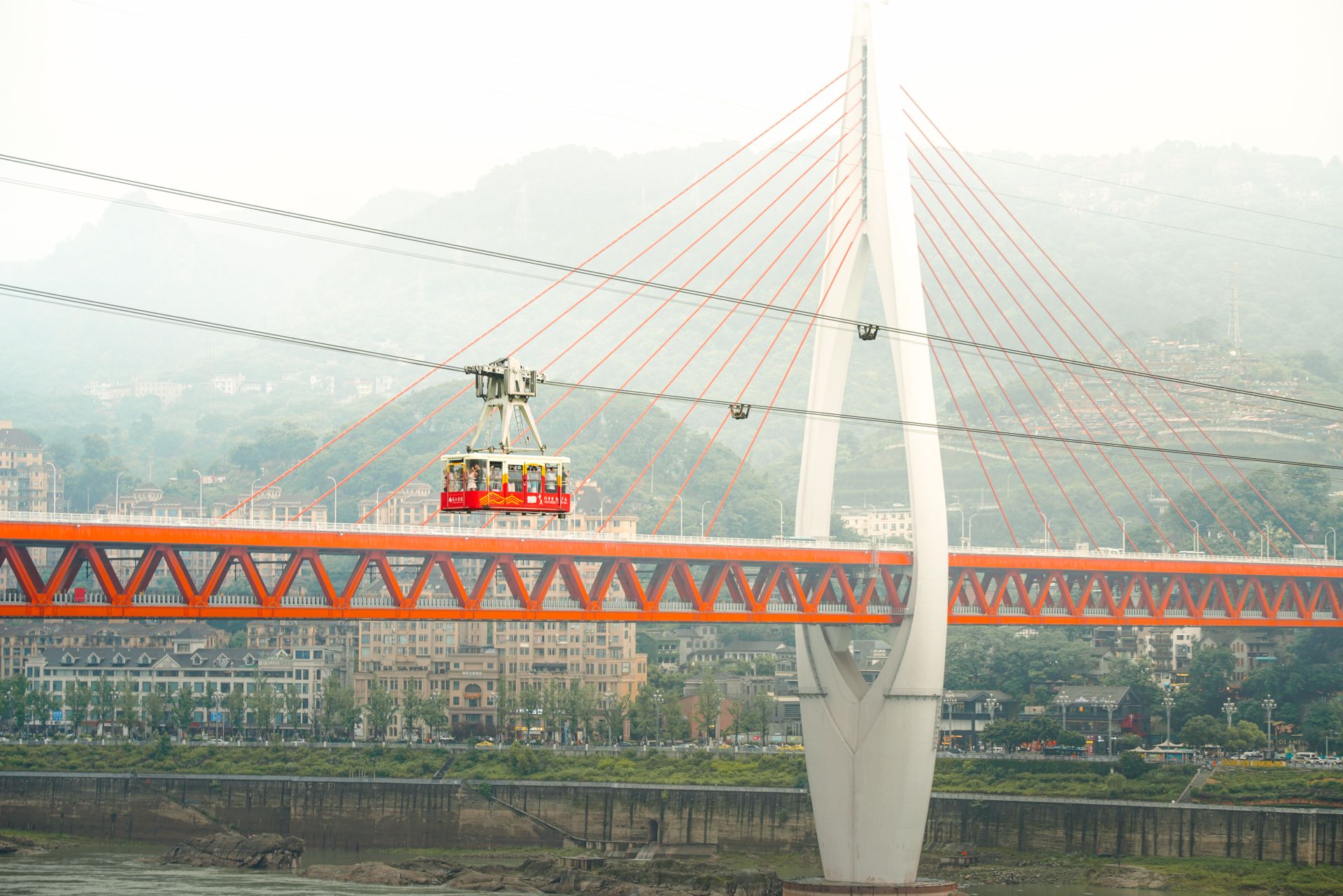
Tip: ride from Xinhua Road toward the south bank — the queues are usually shorter. Once you’re across, wander down Xiahaoli Old Street, a warren of stone steps and old laneways that shows what the mountain city felt like before the towers.
Afternoon · Ciqikou Old Town
Ciqikou (磁器口) is a thousand-year-old river port with flagstone streets lined by tea houses, chilli shops and snack vendors. Yes, it gets crowded — slip down a side lane toward the Jialing River and it quietens down quickly. This is the place to buy gifts: hotpot base, Chen mahua (陈麻花) fried dough twists, and Hechuan peach slices.
Evening · the hotpot you came for
You cannot leave Chongqing without a proper hotpot. Our tips for your first (of many):
- Order yuanyang (鸳鸯), the half-and-half pot — spicy broth for the beef, mild for the veg.
- Don’t skip the signatures: maodu (毛肚, beef tripe) — dip it “up and down seven or eight times,” about 15 seconds, for the perfect bite — plus duck intestine and crispy fried pork (surou).
- Dip in sesame oil with garlic, not peanut sauce — that’s the Chongqing way, and the oil actually soothes the heat.
- Say “wēi là” (微辣, mild) — and know that “mild” in Chongqing is still hot.
- Expect to spend about ¥80–150 per person.
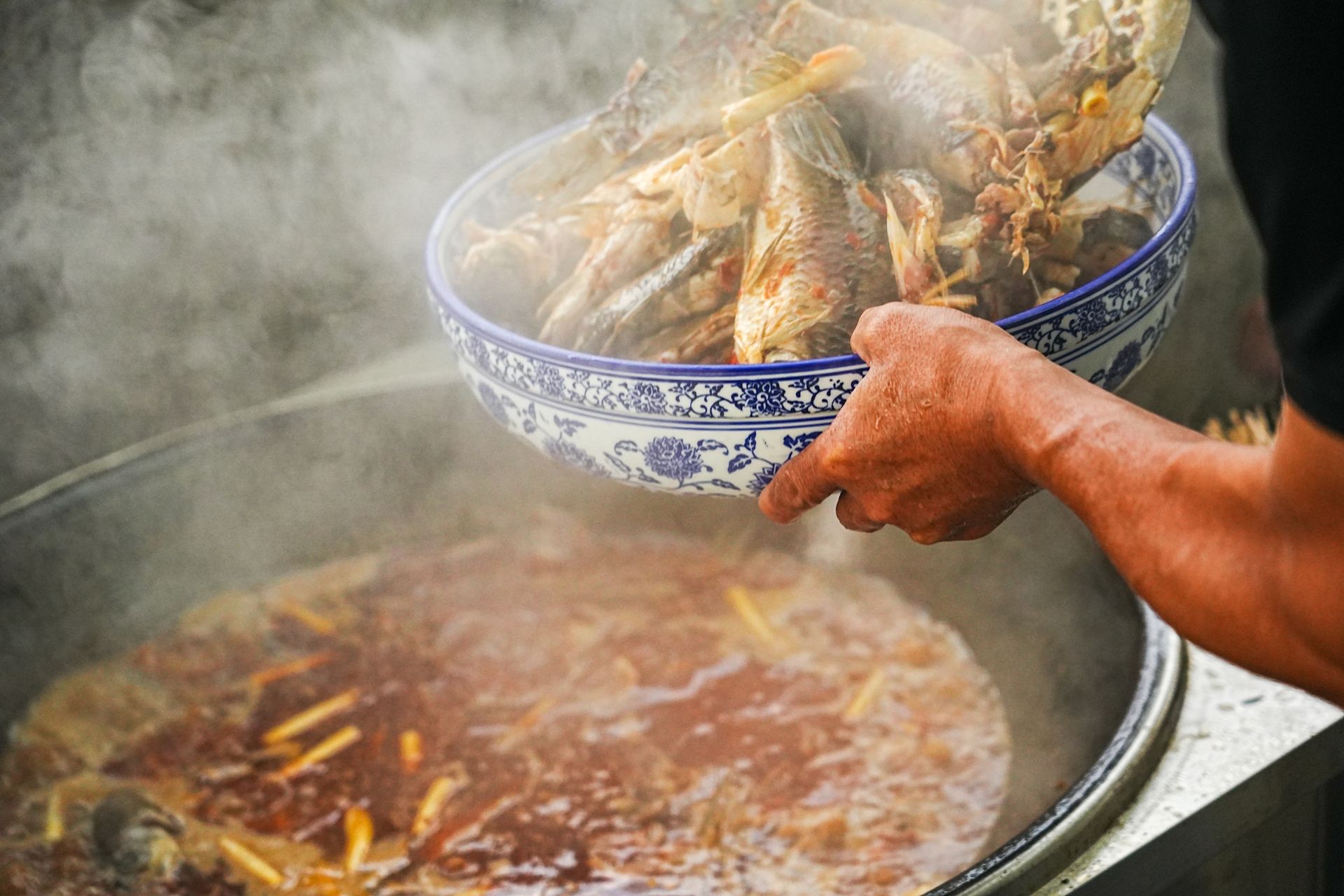
If you still have energy after dinner, Nanshan Yikeshu (南山一棵树) is the classic spot for the full night panorama of the city.
Day 3 (optional): a day trip worth the train ride
Have an extra day? Two world-class options sit within striking distance:
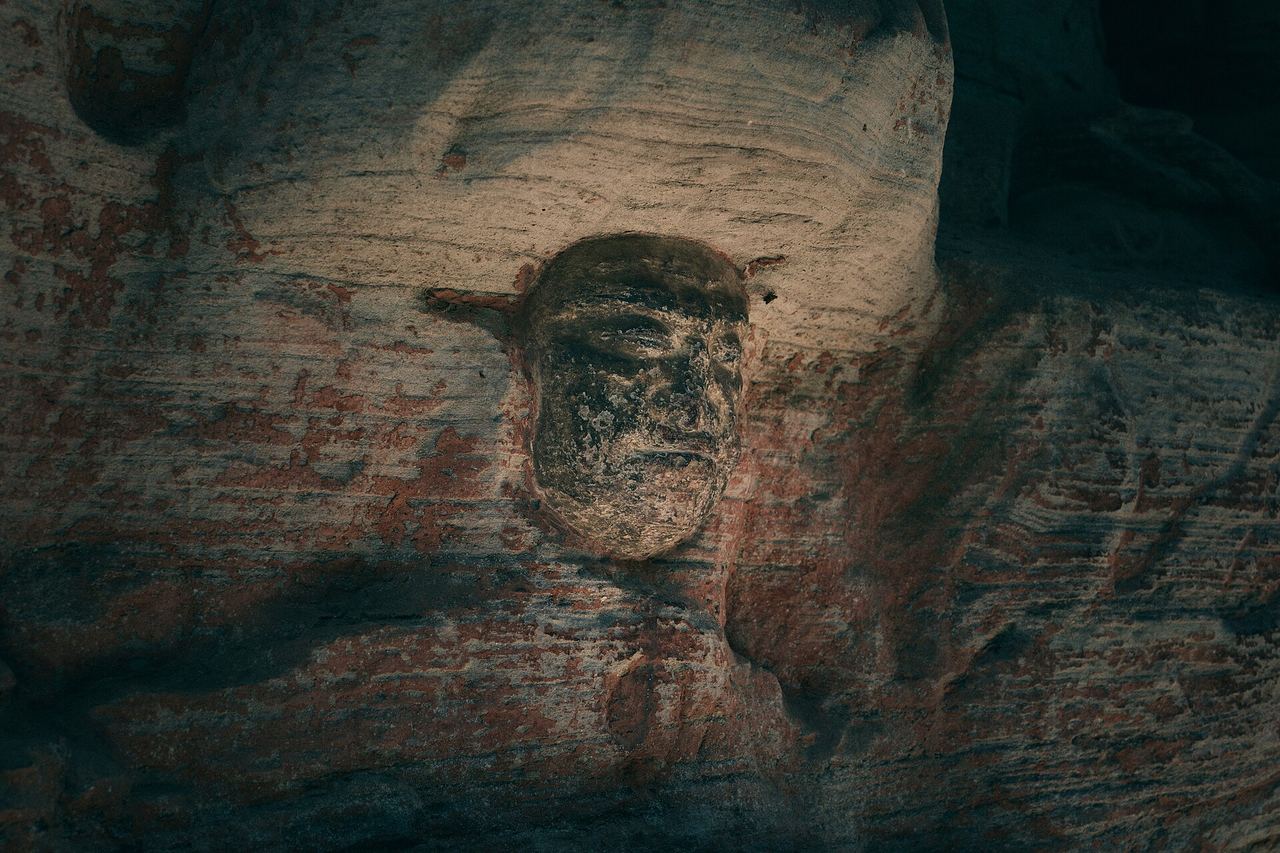
- Dazu Rock Carvings (大足石刻, ~1.5 hours by car) — a UNESCO World Heritage site of Buddhist cliff carvings from the Tang and Song dynasties. The thousand-armed Guanyin and the reclining Buddha at Baoding Mountain are genuinely staggering.
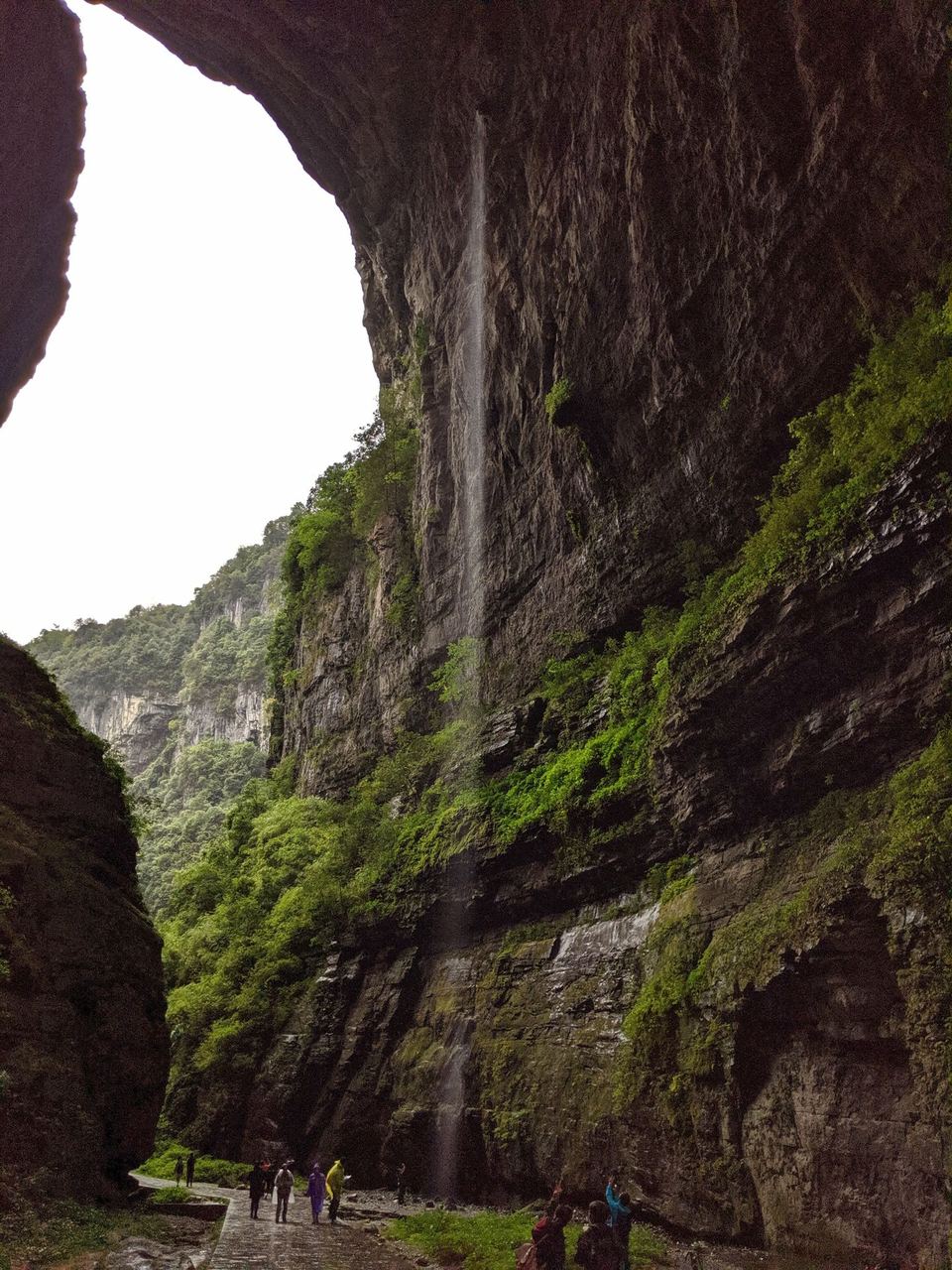
- Wulong Karst (武隆喀斯特, ~2.5 hours by car) — the Transformers 4 and Curse of the Golden Flower filming location. The Three Natural Bridges sinkholes and gorges show the earth at its rawest.
Both are reachable by high-speed rail plus a local transfer, or on a day tour booked through a platform like Trip.com.
What to eat — the shortlist
Chongqing food is the reason half of us visit. Beyond hotpot, keep an eye out for:
| Dish | Pinyin | What it is |
|---|---|---|
| 重庆小面 | xiǎomiàn | Spicy-numbing noodles, the everyday breakfast |
| 火锅 | huǒguō | Hot pot — cook your own food in a shared broth |
| 串串香 | chuànchuàn | Skewers in hotpot broth, like hotpot but cheaper |
| 酸辣粉 | suānlàfěn | Sour-and-spicy sweet potato noodles |
| 抄手 | chāoshǒu | Chongqing-style wontons, usually in chilli oil |
| 酸菜鱼 | suāncài yú | Fish in a pickled-mustard soup |
| 辣子鸡 | làzǐjī | Chicken buried in a mountain of dried chillies |
| 豆花饭 | dòuhuā fàn | Silky tofu with rice and a spicy dip |
For the full story on ordering, dietary needs and menu survival, see our guide to eating in China.
Practical tips (Chongqing edition)
| Thing | Our advice |
|---|---|
| Spice | Say “微辣” (mild) or “不辣” (no spicy). “Mild” is already plenty for most visitors. |
| Shoes | Wear real walking shoes — the city is all hills and stairs. |
| Getting around | Metro single rides ¥2–10; Line 2 is scenic and covers most sights. Taxis start around ¥10. |
| Tipping | Not a thing. Don’t worry about it. |
| Safety | Very safe, even late at night. Just mind the steep steps. |
| Photo spots | Qiansimen Bridge, Eling’s rooftop, inside the cableway car, and the riverbank below Hongyadong. |
| Handy phrases | “微辣” (mild), “不要辣” (no spicy), “多少钱” (how much), “买单” (the bill). |
| Navigating | Trust the map app, not your gut — 1st floor and 22nd floor can both be street level. |
Image credits
Photos via Pexels (used under the Pexels License — attribution appreciated but not required): Hongyadong — Tom Zhou; Jiefangbei — Arnold Nagy; Liziba monorail — Ovidiu Magadan; Qiansimen Bridge at night — 鹏 王; Yangtze cableway — YIYANG LIU; hotpot — Zihang Feng; Wulong — Caleb Remy Ma. Dazu rock carvings — JL Cogburn (CC BY-SA 2.0, via Wikimedia Commons).