Chengdu: The City You Won't Want to Leave
Southwest
On this page
You’ll feel it before you can name it. Not the heat, and not the spice — those come later. It’s the pace. At the airport, at the metro gate, in the queue for a bowl of noodles, nobody in Chengdu is in a hurry, and strangely, within half an hour, neither are you. The city has a saying, “来了就不想离开” — “once you come, you won’t want to leave.” By the time you understand it isn’t a boast but a simple observation, you’ll have already started thinking about your next trip back.
Chengdu is the city people mean when they talk about China’s 慢生活 (màn shēnghuó) — the “slow life.” Pandas are the excuse most visitors give for coming. The pace is the reason they stay. Here are five or six unhurried days we’d hand a friend, written the way Chengdu itself is written: loosely, warmly, and with a lot of sitting down.
A city that has time for you
There’s a word you need before you understand this place: 巴适 (bāshì). It’s the Chengdu word for just right — comfortable, easy, everything in its proper place. You’ll hear it about food, weather, a good chair, a good friend. There isn’t a clean English translation, which is exactly the point: it describes a feeling other cities have to make an appointment for.
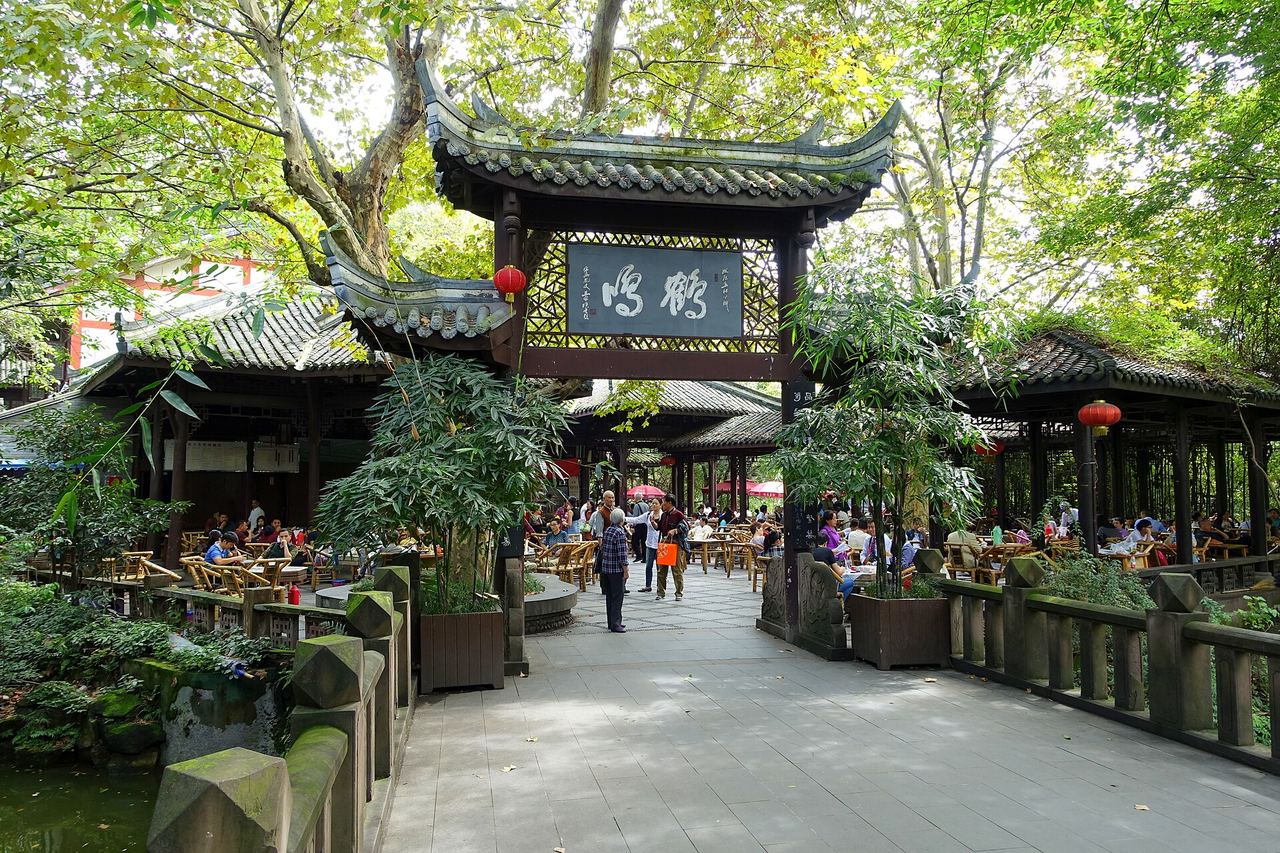
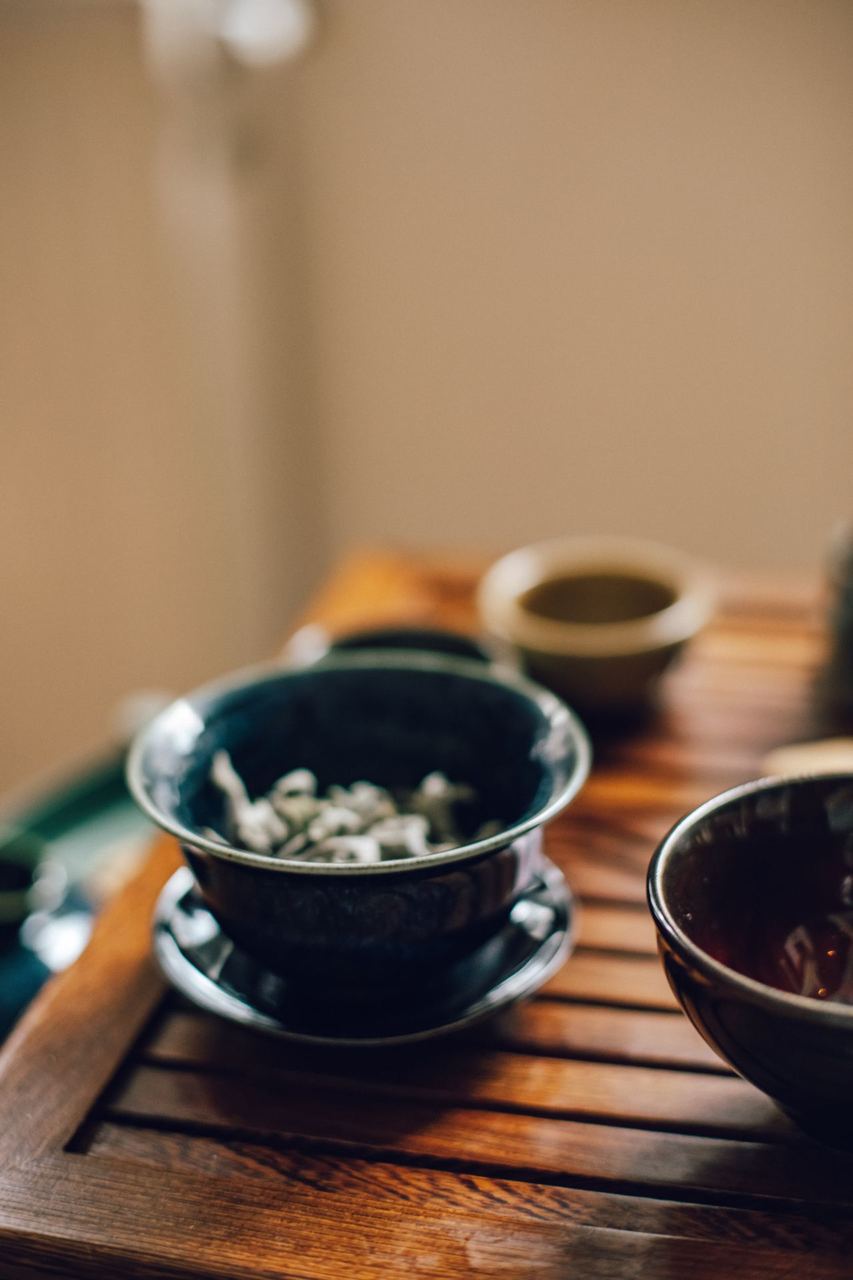
The best place to meet it is People’s Park (人民公园), dead in the middle of the city. On a Tuesday afternoon — a Tuesday — the park is full of locals drinking tea, playing mahjong (麻将), getting their ears cleaned, and doing, very deliberately, nothing much at all. The Heming Teahouse (鹤鸣茶馆) has been pouring 盖碗茶 (gàiwǎn chá) — tea brewed in a lidded bowl — for about a hundred years, and the ritual hasn’t changed: you buy a bowl, a waiter tops it up with a long-spouted kettle all afternoon, and you sit as long as you like. No one brings you a bill. No one wants the table.
The rule we repeat to friends: in most cities you visit the sights and the sitting down is what happens in between. In Chengdu, the sitting down is the sight. Don’t over-plan it. Just go, buy a bowl of tea, and let an afternoon disappear.
This is the thing to understand before you plan a single day: Chengdu’s headline attraction isn’t a monument, it’s a mood. Everything else — the pandas, the food, the temples — you enjoy because you’ve already slowed down enough to enjoy it properly.
The pandas, and the city’s gentle joke
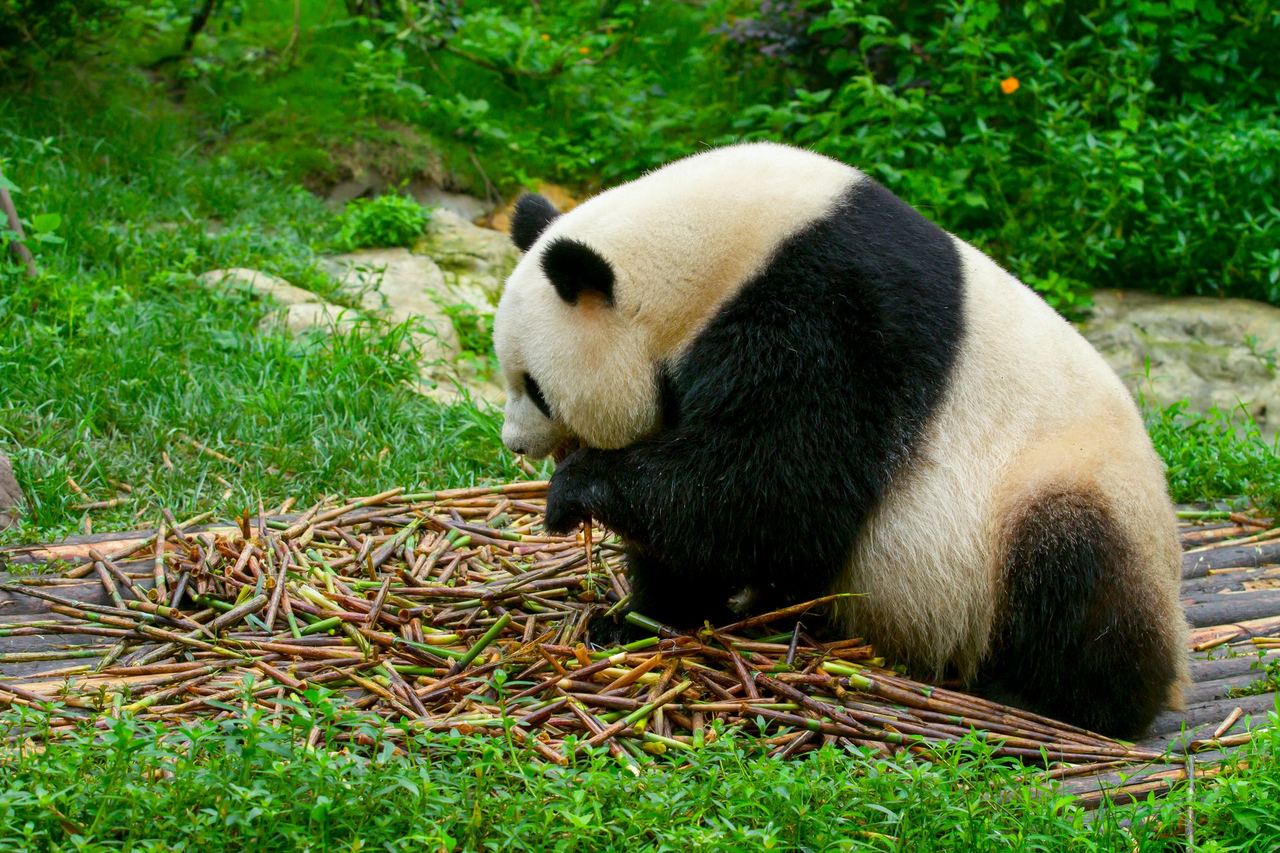
You should still see the pandas. The Chengdu Research Base of Giant Panda Breeding (成都大熊猫 繁育研究基地) is the world’s best place to do it, and there’s a right way and a wrong way to go.
Go early — the pandas are genuinely active only until about 9am, when they eat their bamboo, wrestle a bit, and then spend the rest of the day asleep in positions that look physically impossible. Arrive at opening (7:30am) or as close to it as you can manage, and head straight for the nursery where the cubs are. By 10am you’ll be watching them nap, which is adorable and slightly frustrating in equal measure.
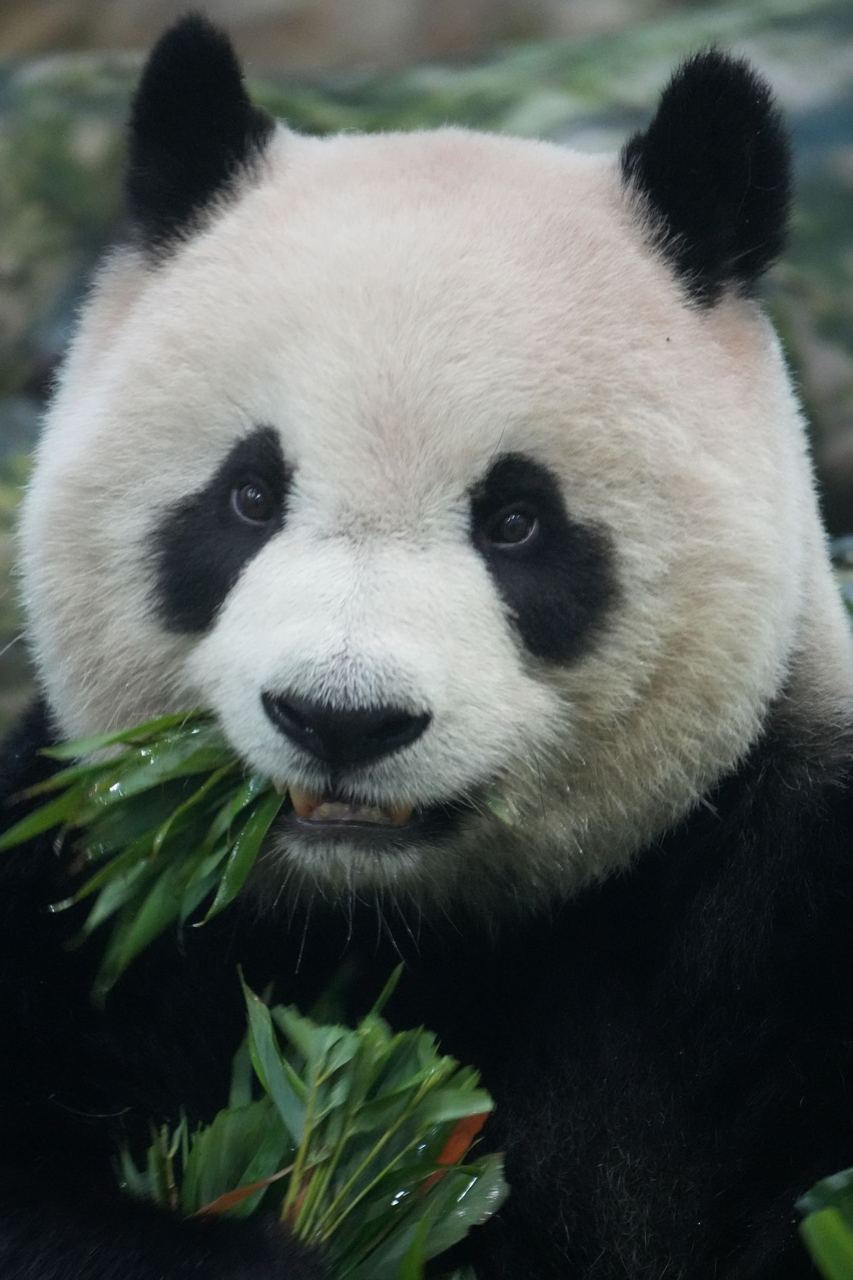
But here’s the gentle joke Chengdu has been playing all along: this is a city that built a global reputation on an animal whose entire personality is take it easy. The pandas sleep 14 hours a day, eat the rest, and decline to be hurried. In other words, they’re locals. The city didn’t choose the panda as its emblem despite the slow life — it chose it because of it.
The old lanes, and the city that isn’t on the postcard
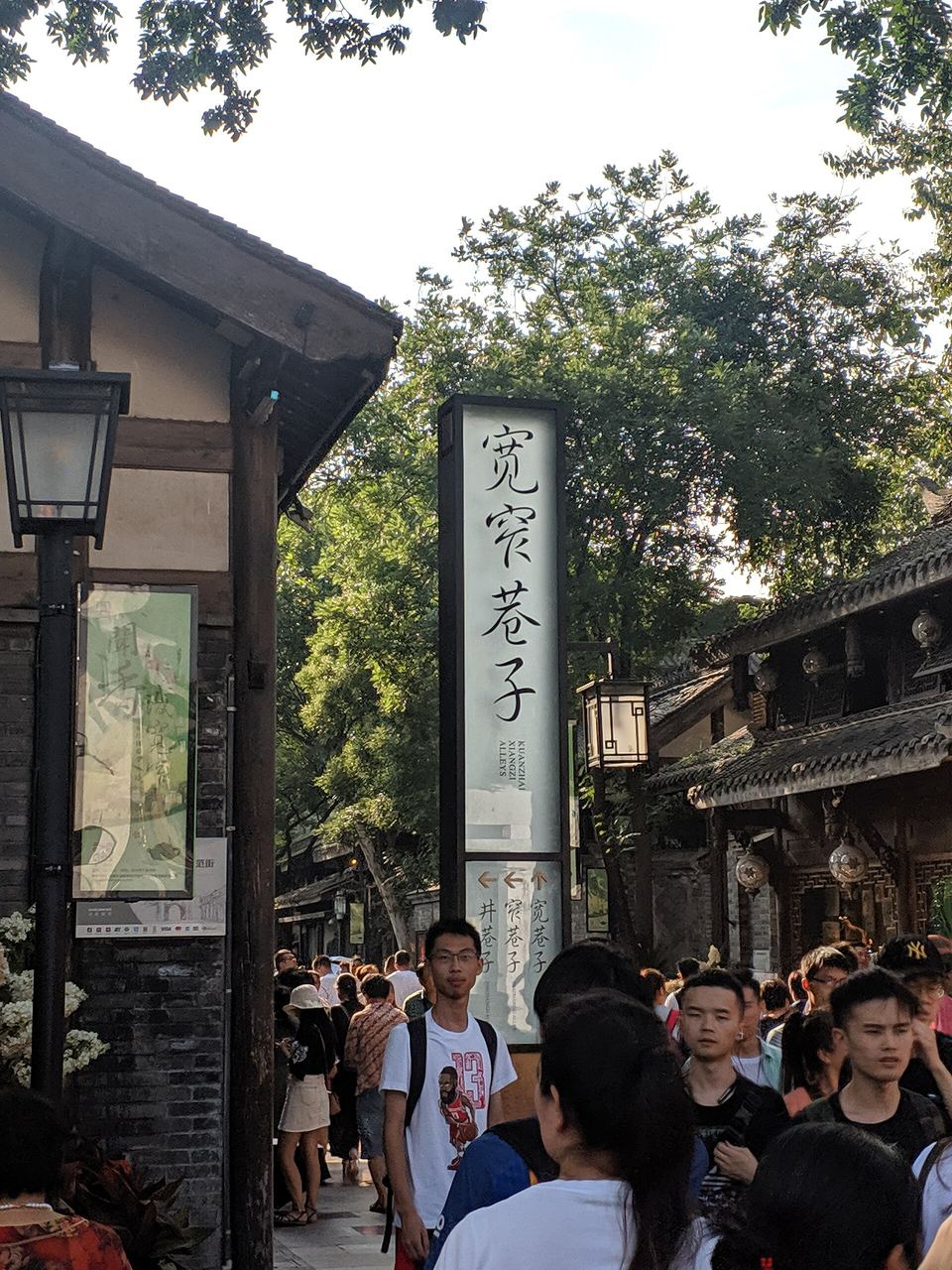
For a day of the old Chengdu, start at Kuanzhai Alley (宽窄巷子) — actually three parallel lanes: 宽 (wide), 窄 (narrow) and 井 (well). It’s a restored pocket of Qing-dynasty courtyard houses, now filled with teahouses, snack stalls and the occasional earnest ear-cleaning (采耳) station. It’s touristy, and the city knows it, and honestly it’s still the right warm-up for the older, realer Chengdu hiding in the lanes around it.
After dark, Jinli (锦里) is the one to see — a lantern-lit street of food stalls and red lanterns running beside the Wuhou Shrine (武侯祠), the memorial to Zhuge Liang and the Three-Kingdoms era that China has been retelling for 1,800 years. In the daytime, if you want a quieter hour, walk to Du Fu Thatched Cottage (杜甫草堂) — the reconstructed home of Du Fu, the Tang poet who wrote some of China’s most loved lines from a grass hut on the city’s edge. Chengdu carries its history lightly: it’s old, and it doesn’t feel the need to shout about it.
When you’ve had your fill of the postcard, go find the real one. Wander the Yulin (玉林) neighbourhood, with its tree-lined streets and tiny noodle shops and bars, or lose an afternoon in a wet market. That’s the Chengdu the guidebooks keep missing — the one where nothing much happens and everything is happening.
Eat, then sit, then eat again
Chengdu food isn’t a list of dishes so much as a way of hanging around. The headliner is hotpot (火锅), and it’s worth knowing how Chengdu’s differs from its fierce neighbour Chongqing’s: where Chongqing runs on a heavy beef-tallow base with a numbing edge, Chengdu’s pot is lighter — often a vegetable-oil base (清油) — with more herbs and more variety in the middle. Both are wonderful; only one will feel like it’s actively trying to end you. (Spoiler: it isn’t Chengdu’s.)
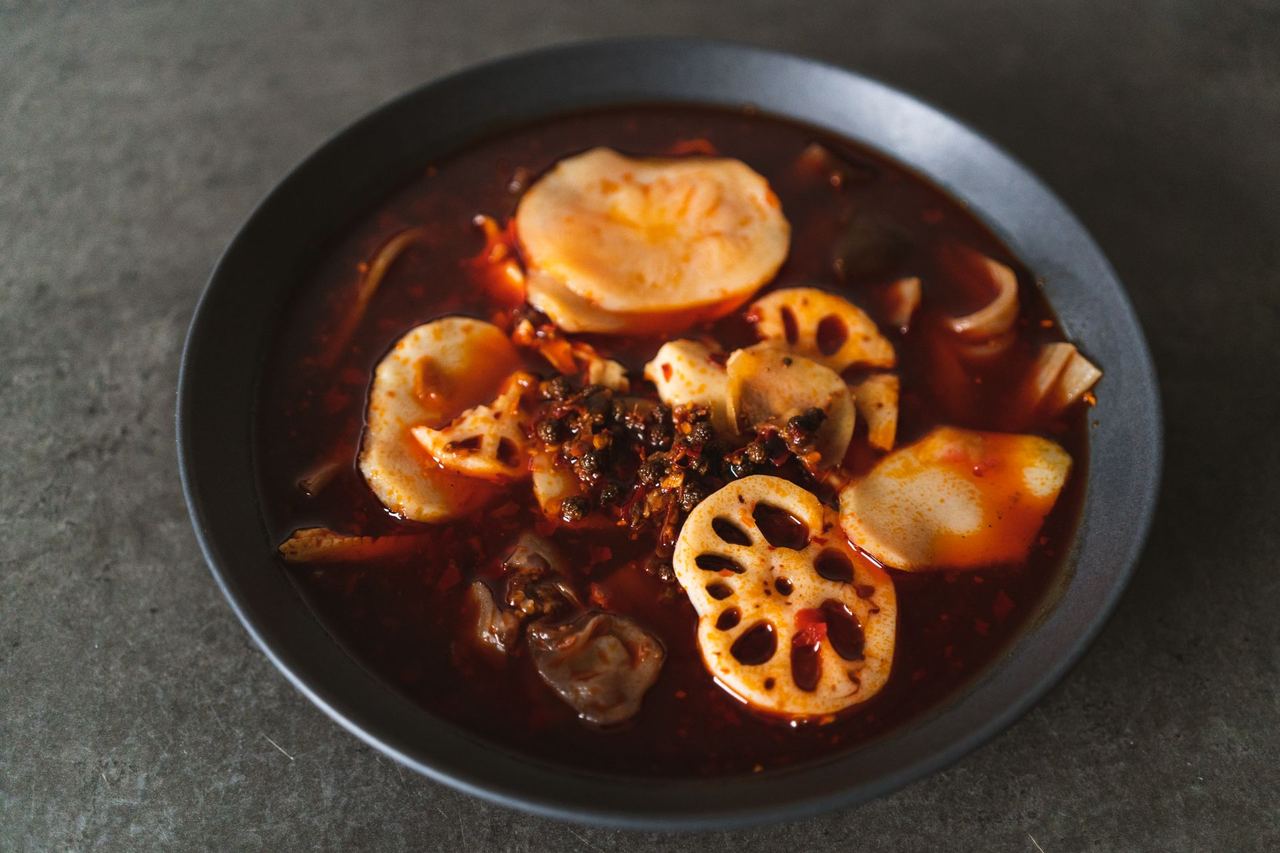
Then there’s 串串香 (chuànchuàn xiāng) — skewers you pick from a fridge and boil in a shared pot, hotpot’s more casual, cheaper, late-night cousin — and a whole cast of street snacks: 担担面 (dandan noodles), 钟水饺 (Zhong dumplings), 夫妻肺片 (fuqi feipian, “husband and wife lung slices” — beef offal, despite the alarming name), 甜水面 (sweet-water noodles) and, if you’re brave, a 兔头 (rabbit head).
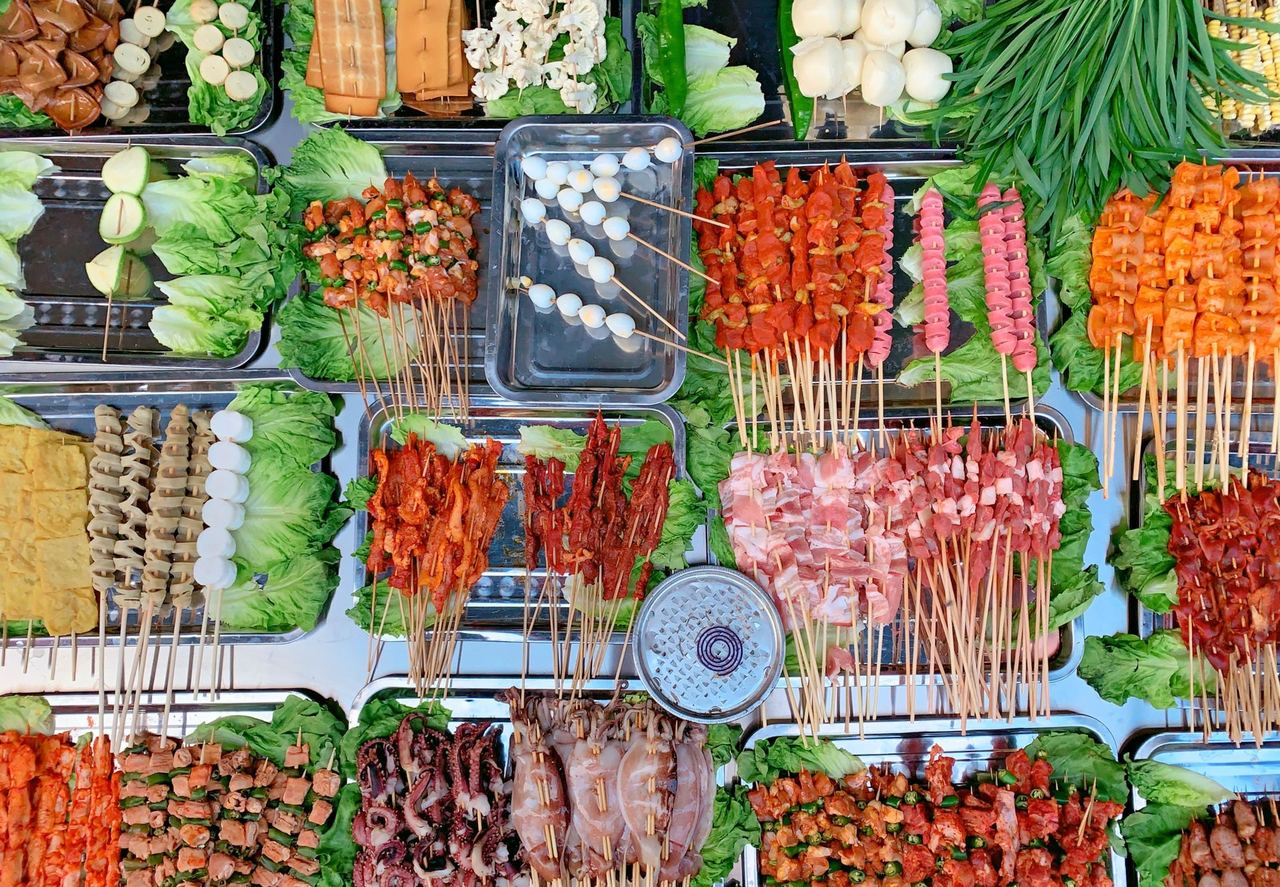
The point of all of it is the same as the tea: nobody rushes you. A meal in Chengdu is a reason to sit, and a reason to stay. For the full survival kit — ordering, dietary needs, what to say when you can’t read the menu — see our guide to eating in China.
The only fast thing in the city
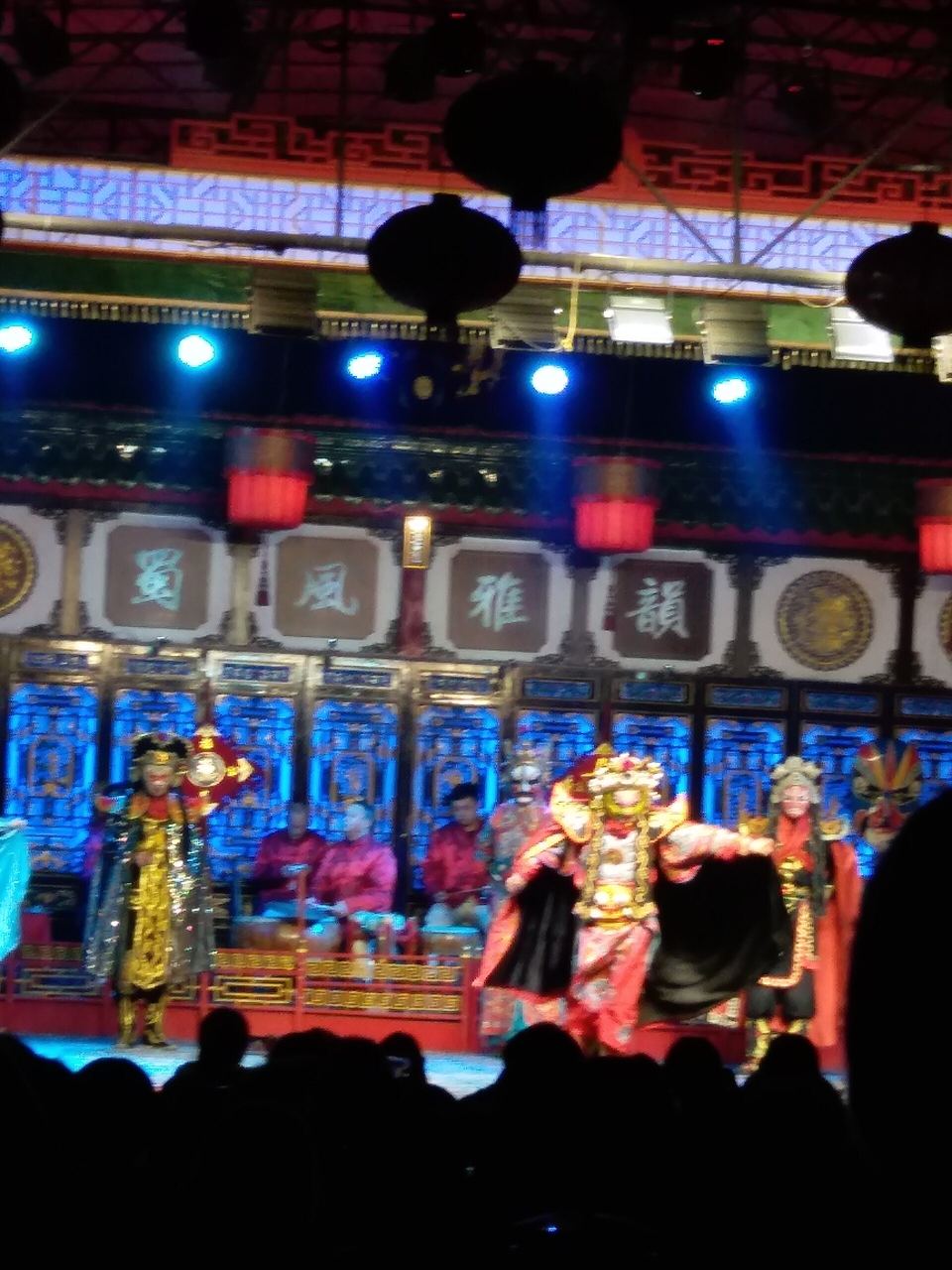
If you want to see the one spectacle where Chengdu stops being slow, find a Sichuan opera face-changing (变脸, biànliǎn) show. The performer crosses the stage and the painted mask changes — red, black, gold — in the space of a blink, with no visible hands, a trick the performers guard as a trade secret. It’s touristy, it’s a little stagey, and it is genuinely, genuinely good.
The classic place to catch it is a teahouse-theatre like Shufeng Yayun (蜀风雅韵), where you sit over your gaiwan tea and watch the masks fly. One show, and the “slow life” suddenly makes a different kind of sense: when a city has this much stillness, it can afford to keep its one fast thing for the stage.
Out of the city: a 2,000-year-old machine and a giant
Chengdu rewards an extra day, because the best things around it are a short train ride away.
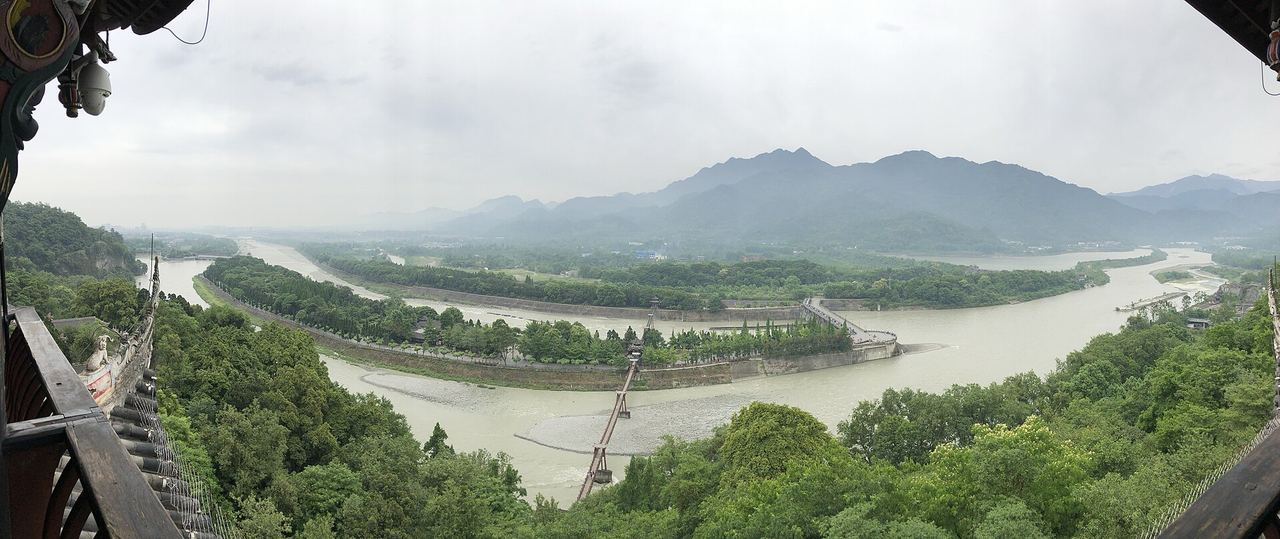
Dujiangyan (都江堰) is the oldest, most quietly staggering thing on this list. Built in 256 BCE, it’s not a dam but a splitter — a system of channels and levees that divides the Min River and floods the Chengdu plain just enough, turning a flood-prone basin into the “land of abundance” it’s been for two millennia. It has no moving parts and it still works today, which is more than you can say for most 2,000-year-old machines. Up the road, Qingcheng Mountain (青城山) is the birthplace of Taoism, all forested paths and incense.
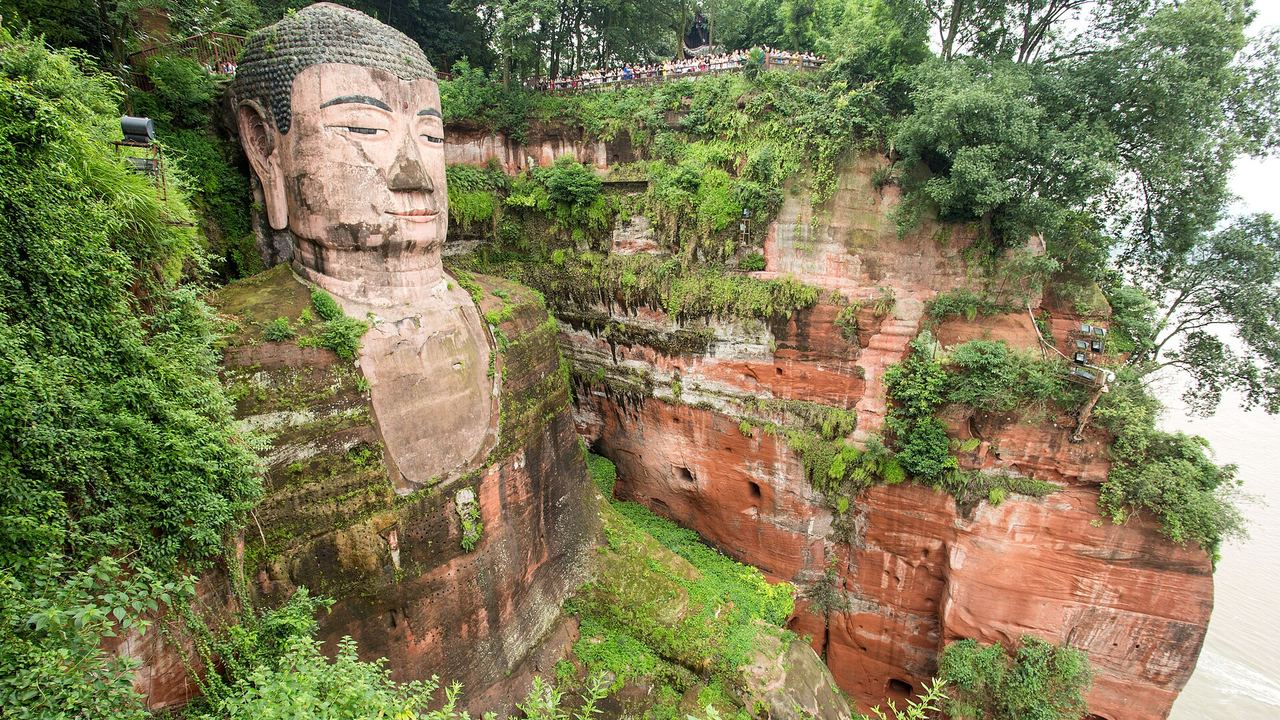
The other day trip is Leshan Giant Buddha (乐山大佛) — a 71-metre Buddha carved into a cliff face where three rivers meet, the largest pre-modern statue on earth. You can stand at its feet and feel about the size of a grain of rice, which is rather the idea.
Why you won’t leave
There’s a small practical note to close with, because we’re still that friend who wants your trip to actually work. Chengdu has two airports — Shuangliu (CTU), closer to the city, and Tianfu (TFU), the newer international hub — and it’s a high-speed rail junction for all of Sichuan: the line to Jiuzhaigou and the route to Daocheng Yading both begin here. Get your payment and maps sorted before you land, the way you would anywhere in China (our visa guide covers Chengdu’s visa-free and transit options), and bring an empty stomach and no particular plan. Spring (March–May) and autumn (September–November) are the golden windows; summer is hot, winter is mild and grey.
But the real answer to “why won’t you leave” has nothing to do with logistics. You’ll be sitting somewhere — a tea house, a noodle shop, a bench by the river — and you’ll realise you’ve been there an hour longer than you meant to be, and no one has looked at you like you should go. The pandas are sleeping. The tea is still warm. A neighbour is dealing you into the mahjong. 巴适. There it is. You’ll understand the slogan, because you’ll feel it: you came, and you don’t especially want to leave.
Image credits
Photos via Pexels (Pexels License): panda — Ramaz Bluashvili; panda cub — Snow Chang; gaiwan tea — ROMAN ODINTSOV; hotpot — Markus Winkler; skewers — Harry Xie. People’s Park teahouse — Daderot (CC0); Kuanzhai Alley — Jimmyshjj (CC BY-SA 4.0); face-changing — Pauloleong2002 (CC BY-SA 4.0); Dujiangyan — 星星 (CC BY-SA 4.0); Leshan Giant Buddha — 王计 (CC BY 2.5) — all via Wikimedia Commons.