Shanghai in 1–2 Days: the Gentlest Introduction to China
East
On this page
Shanghai is the answer to a question every first-time visitor quietly asks: what if my first day in China didn’t have to feel like a shock? It’s the city where China has been meeting the world for a century and a half — Art Deco banks and trading houses along the Bund face a futuristic wall of glass across the river, English is on most signs, and the coffee is as good as the dumplings. If you’re landing on a visa-free or 240-hour transit stop with a day or two to spend, Shanghai is the softest possible first page of China: you get the full story — the river, the old streets, the dumplings, the neon — without the full culture shock. That is the whole pitch.
The one thing to sort before you land
Unlike Beijing, where half the trip is winning the booking lottery, Shanghai’s headline sights don’t run on advance reservations. The Bund is free and open around the clock, Yu Garden is walk-in (only the small inner garden charges), and the whole first day runs on foot and the metro with zero pre-booked slots. The soft landing is real — but it rests on three things being sorted while you’re still at home:
- A phone that works — set up a data plan or eSIM before you fly so maps and translation work the moment you step off the plane. See our connectivity guide.
- Payment ready — Shanghai is nearly cashless. Link a card to Alipay or WeChat Pay before you arrive. See our payment guide.
- Maps sorted — know which map app you’ll use and download what you can offline. See our maps guide.
The rule we repeat to friends: the “soft” part of Shanghai isn’t the sights — it’s that they don’t need booking. What actually needs planning is the phone and the wallet. Sort those two and the city genuinely takes care of the rest.
Getting in and where to stay
Shanghai has two airports: Pudong (PVG), the big international gateway east of the city, and Hongqiao (SHA) to the west. From Pudong there’s a choice worth knowing about:
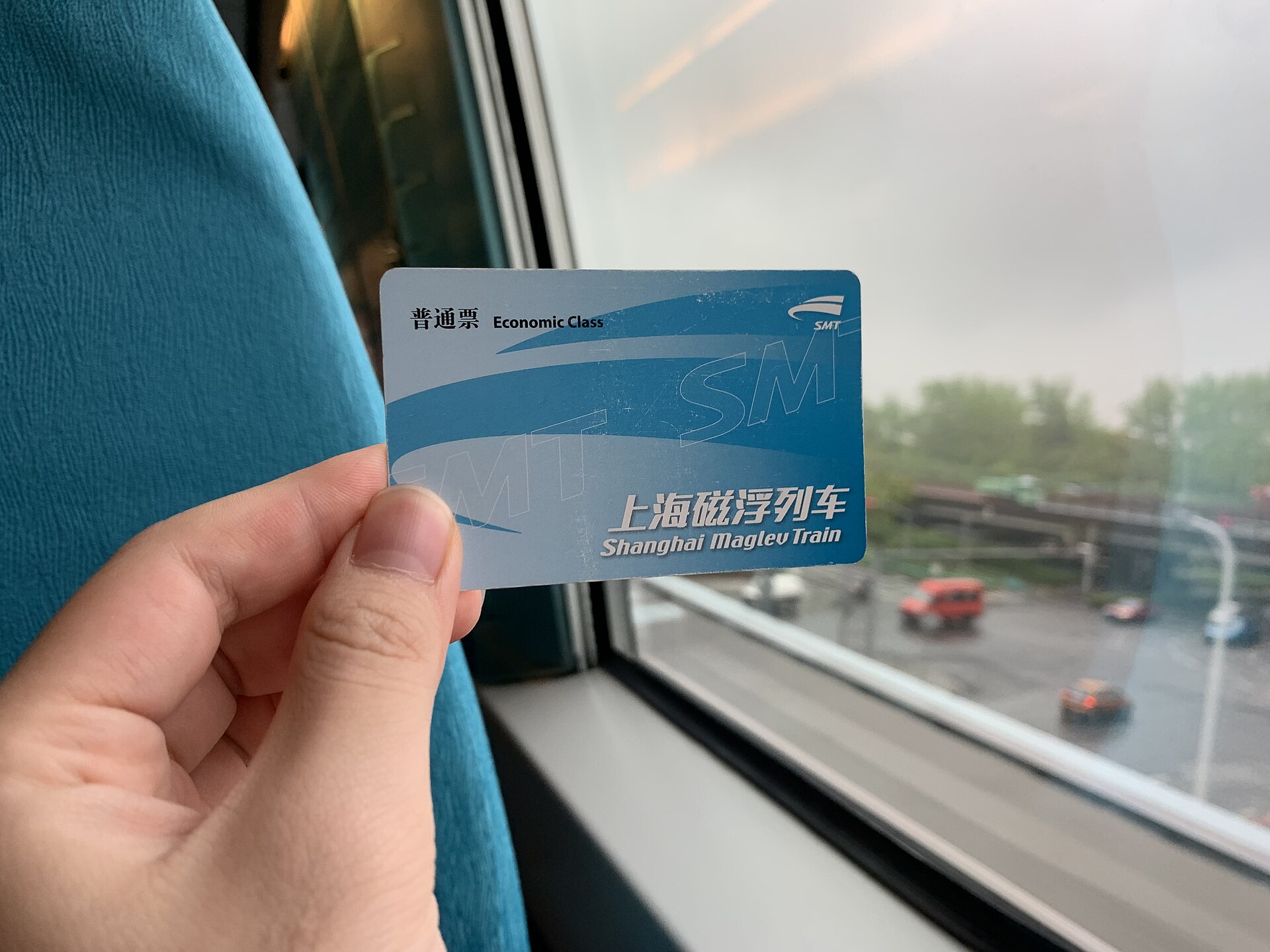
- The Maglev (磁浮) — a magnetic-levitation train that can touch 430 km/h (267 mph) on the 8-minute run to Longyang Road station. It’s the fastest way to feel like you’ve arrived in the future, and it’s an attraction in itself. About ¥50 one-way (¥40 with a same-day flight ticket). From Longyang you switch to metro Line 2 for the centre.
- Metro Line 2 — runs from both airports straight into the city. Slow but cheap (¥3–9), and it needs no ticket logic at all once payment is set up on your phone.
- Taxi / DiDi — from Pudong to the Bund is roughly ¥150–200, 45 minutes to an hour. See our DiDi guide.
On the 240-hour visa-free transit: entering through Shanghai lets you move within the Shanghai–Jiangsu–Zhejiang region for up to 10 days — more than enough for this guide. Check the current country list and rules in our visa guide.
For a first stay, stay in Puxi — around the Bund, People’s Square or Nanjing Road. That puts Day 1 on foot and keeps the river at your doorstep. Lujiazui (陆家嘴), across the river in Pudong, is the pick if you’d rather wake up to the skyline. Budget: hostel beds ¥80–150, comfortable hotels ¥400–700, international brands ¥900+.
Day 1: the classic loop — river, garden, dumplings, neon
This is the day that works even on a short 24-hour stop. It’s a loop, and it’s mostly flat and walkable.
Morning · the Bund (外滩)
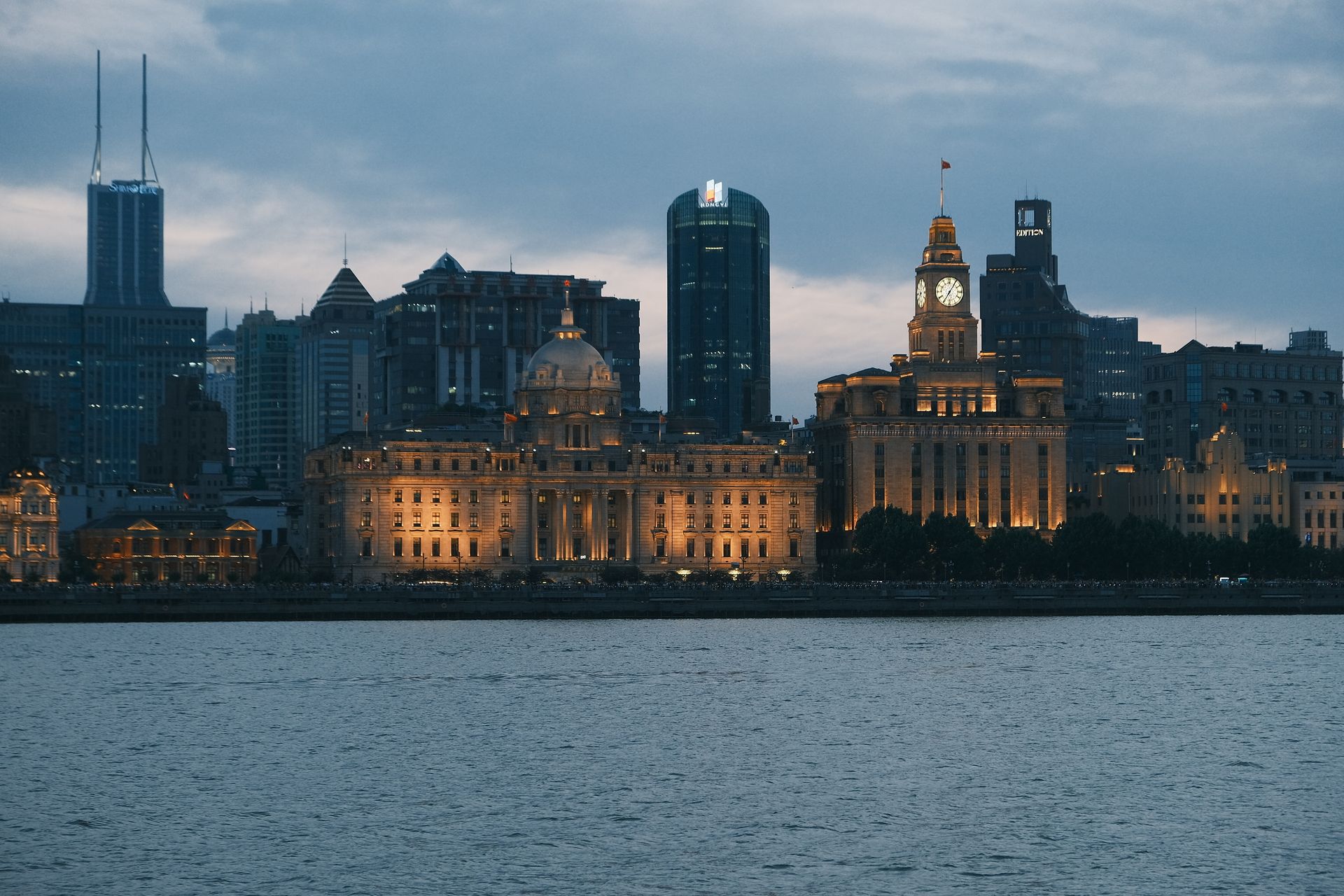
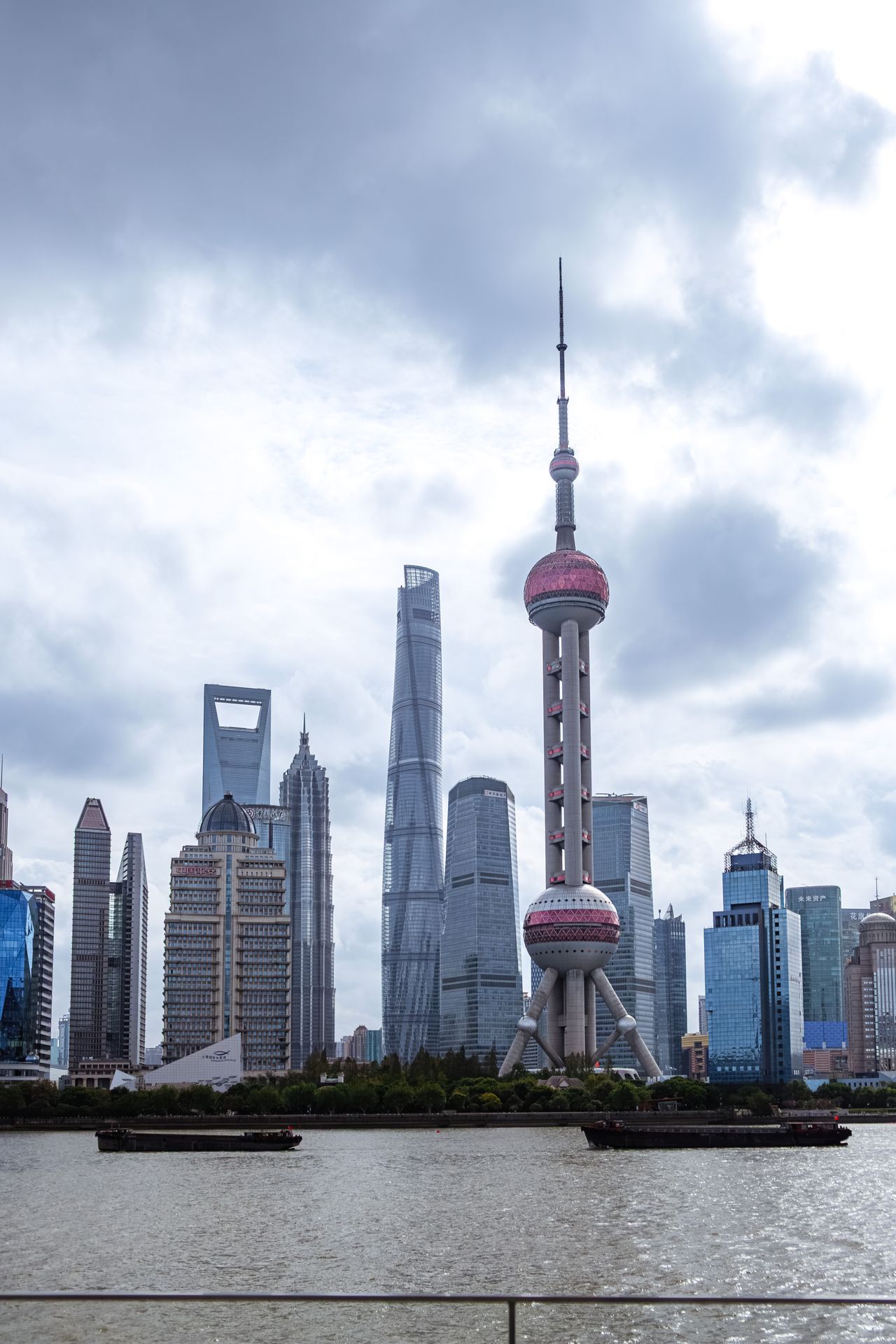
Start at the Bund, the mile of waterfront promenade where Shanghai’s colonial-era banks and trading houses stand shoulder to shoulder, facing the towers of Pudong across the Huangpu River. It’s the single most “Shanghai” view there is — old Europe on one bank, the 21st century on the other — and it’s free, open all day, and at its best at dusk when the towers light up. Walk it slowly; the classic shot is from the promenade looking across at the Oriental Pearl Tower.
Midday · Yu Garden and the old town (豫园)
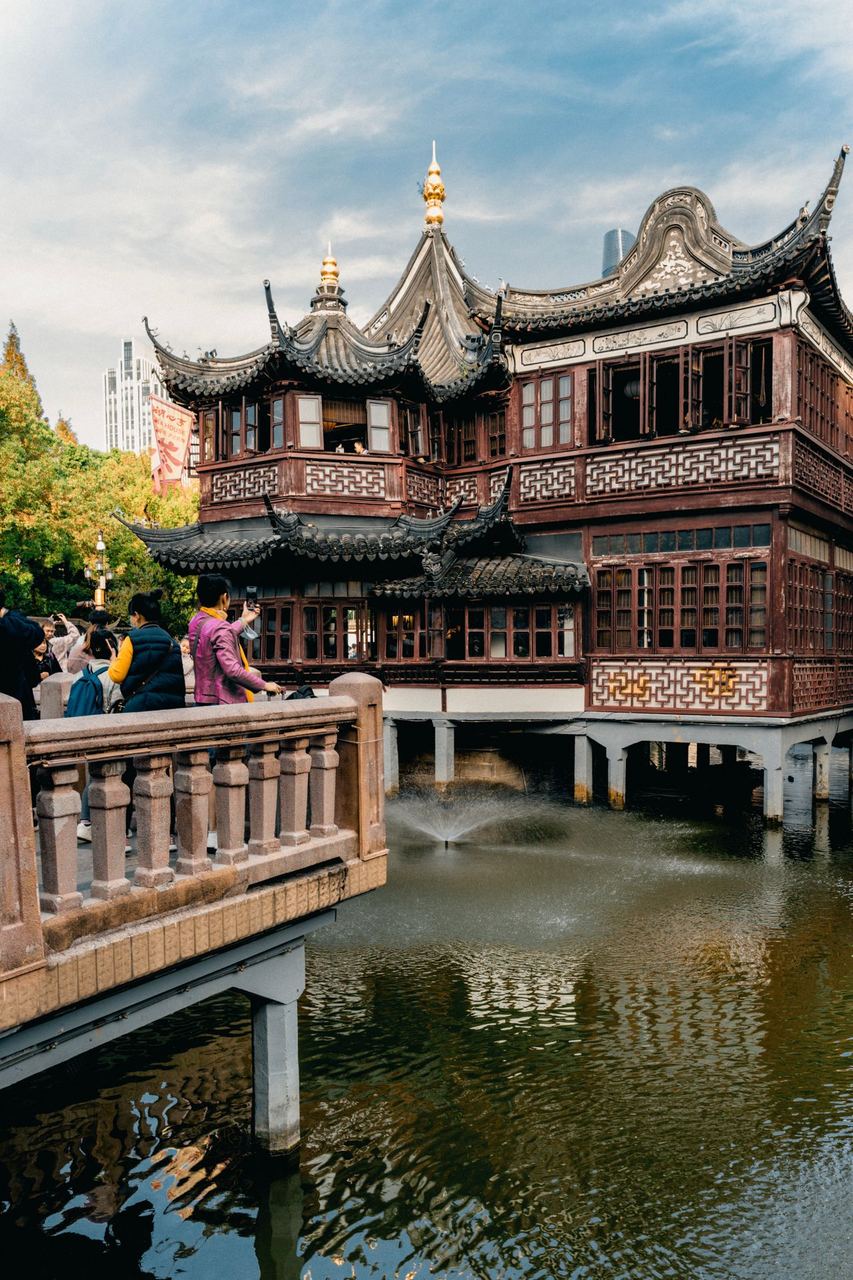
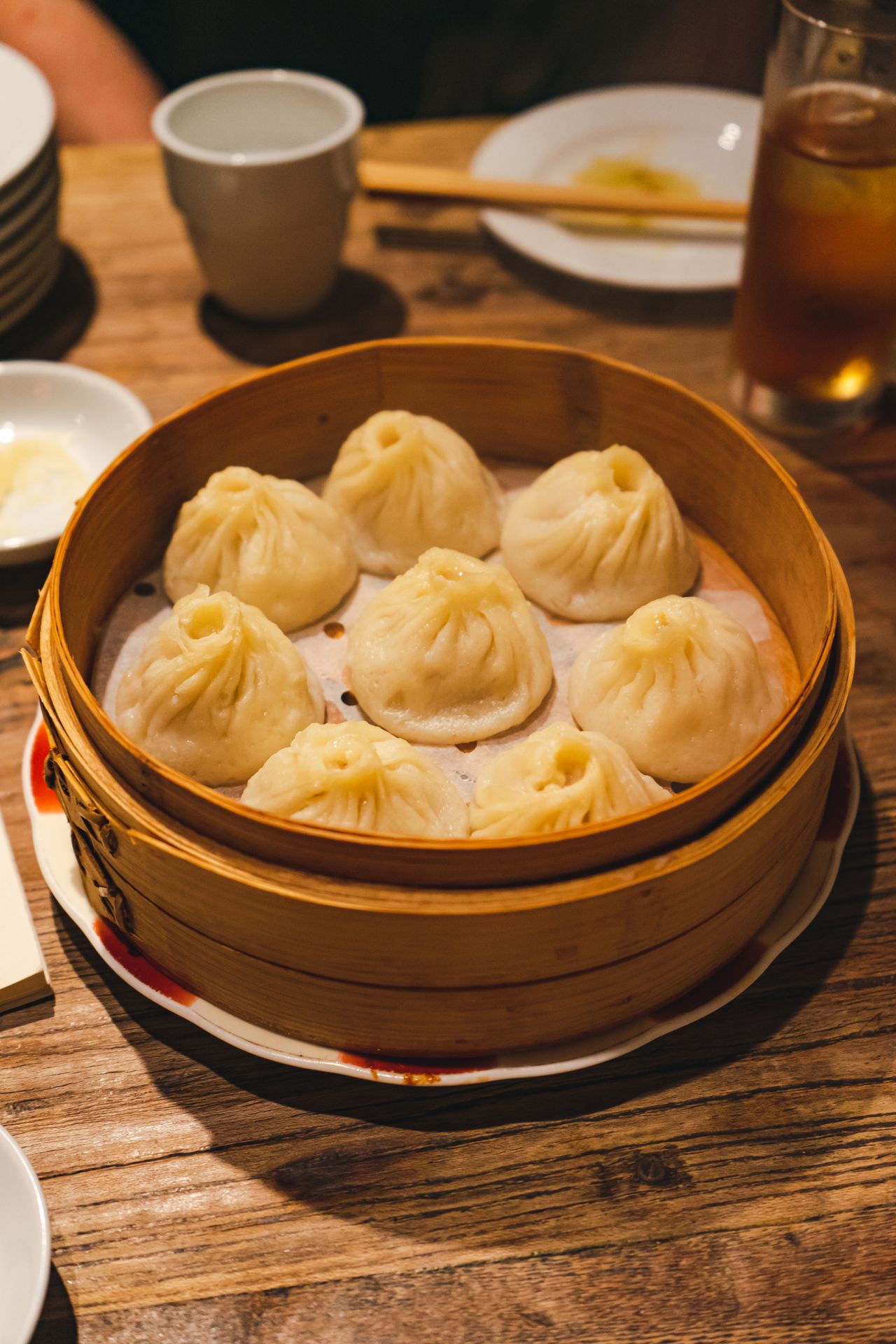
Ride a few stops south to Yu Garden, the Ming-dynasty classical garden hidden inside the Yuyuan bazaar — a maze of restored old-Shanghai lanes, tea houses and the zigzag Nine-Turn Bridge (九曲桥). The garden itself (about ¥30–40) is a compact masterclass in Chinese garden design — rockeries, koi ponds, latticed windows — but the bazaar around it is free and is where the street food and the atmosphere live. Come for the garden, stay for the xiaolongbao: the bazaar’s Nanxiang bun shop has been steaming them for over a century (expect a queue at the cheap takeaway window, or skip it and find a sit-down spot nearby).
Afternoon · Nanjing Road (南京路)
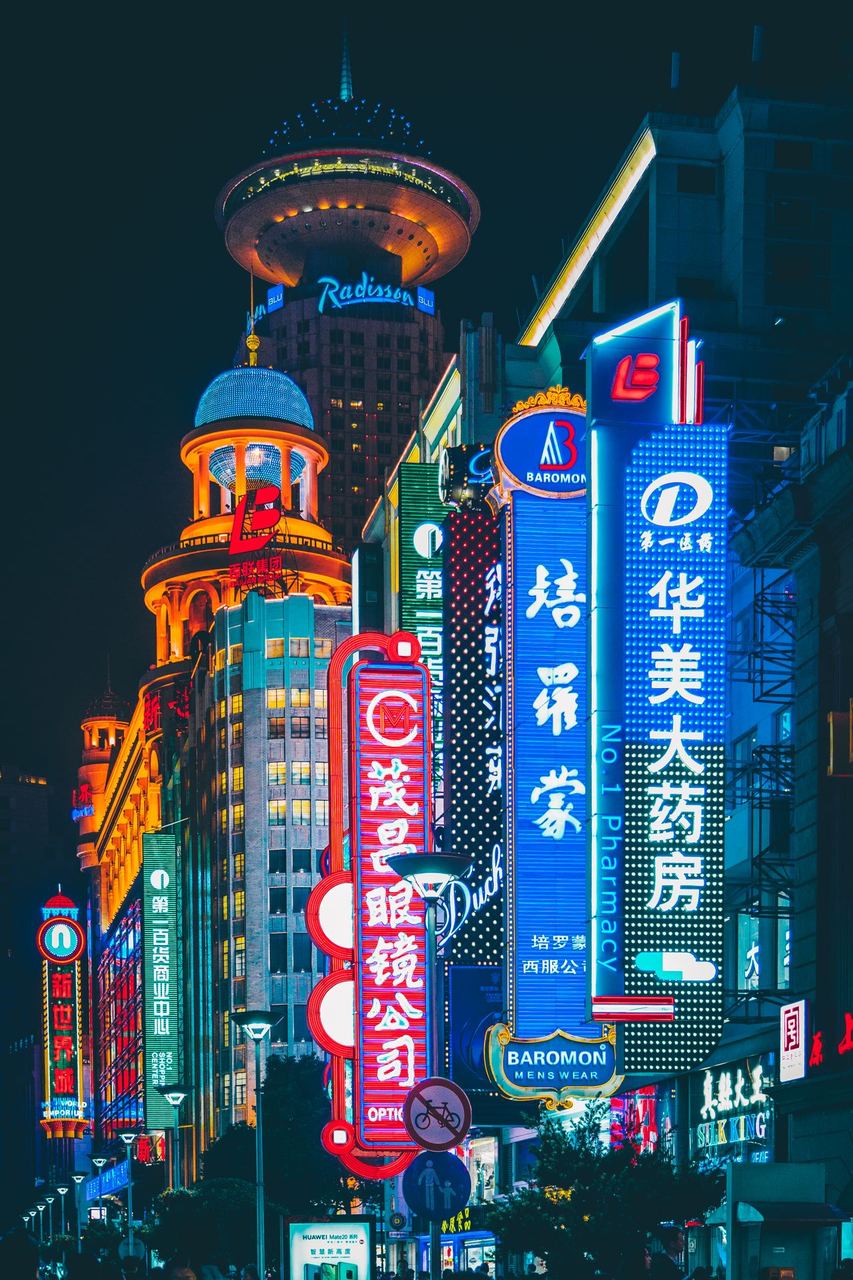
Walk (or ride one stop) to Nanjing Road, China’s most famous shopping street — a pedestrian boulevard running from People’s Square to the Bund. It’s loud, bright and commercial in the best possible way, and it’s exactly the right contrast to the garden you just left. You don’t have to buy anything; the point is the neon.
Evening · back to the river
Finish where you started, at the Bund — but at night, when the Pudong towers switch on and the cruise boats drift past with their lights. If the weather’s good, a short Huangpu River cruise is the classic way to see it from the water; otherwise just stand on the promenade with everyone else. It’s the one view in China that needs no ticket, no reservation and no queue.
Day 2 (if you have it): the skyline and the leafy side
If you have a second day, cross the river for the skyline, then slow right down on the other side.
Morning · Lujiazui (陆家嘴) and the skyline
Cross the Huangpu (metro Line 2) to Lujiazui, the forest of towers you’ve been photographing from the other bank. You can go up two of them: the Shanghai Tower (上海中心), China’s tallest building, with an observation deck on the 118th floor around 546 metres up, and the Oriental Pearl Tower (东方明珠) next door. Both are pricey (roughly ¥180+); if you only do one, the Shanghai Tower’s view is the better of the two. Or skip the towers entirely and just walk the riverside — the skyline looks as good from the ground.
Afternoon · the French Concession (法租界)
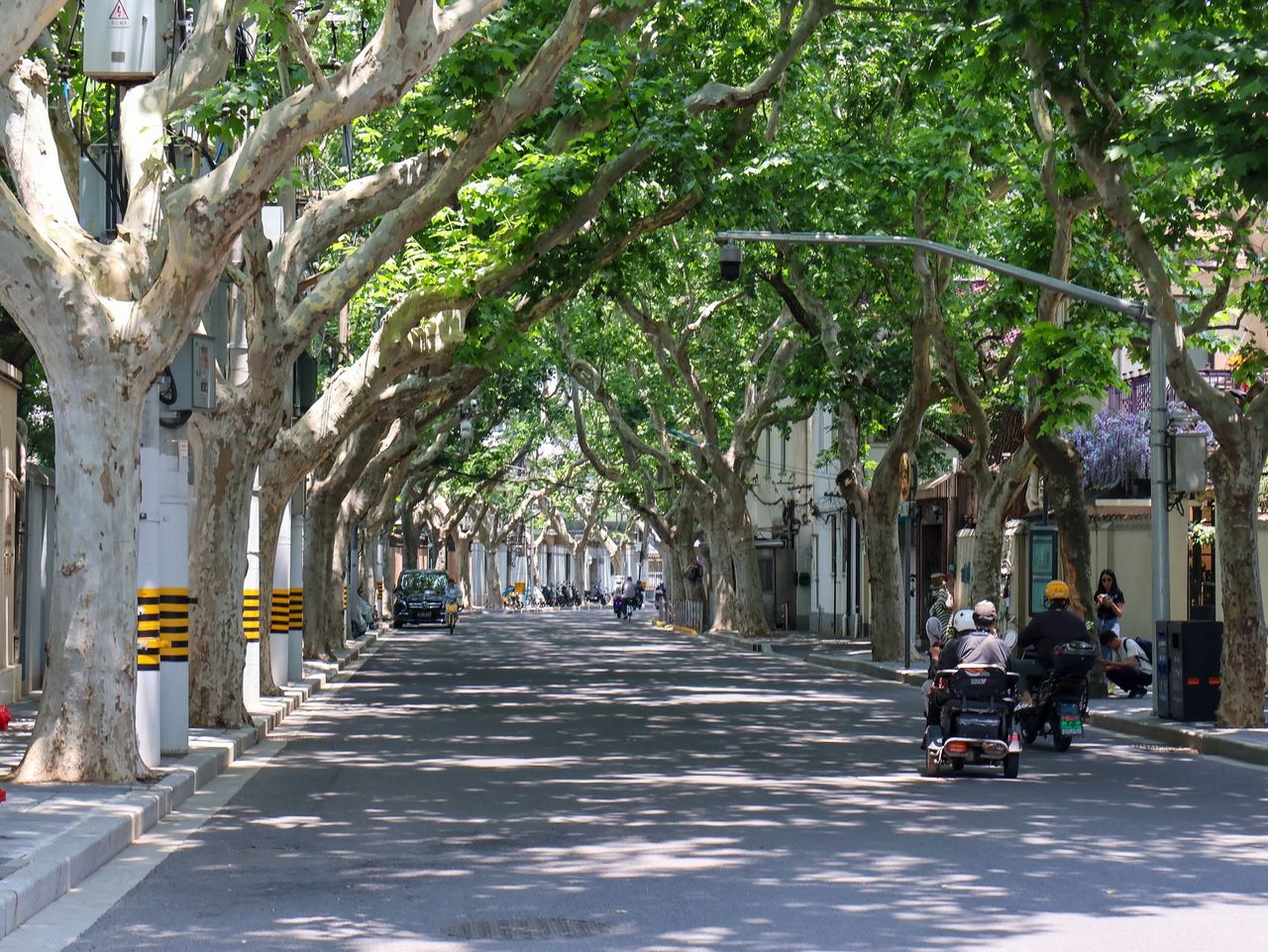
For the afternoon, cross back and wander the French Concession, Shanghai’s leafiest district — plane-tree avenues, low brick buildings and the most relaxed coffee culture in the country. Walk Wukang Road (武康路) for the architecture, duck into Tianzifang (田子坊) for the narrow craft-shop lanes (touristy but fun), and just let yourself get lost. This is the part of Shanghai that feels like a European city that learned to speak Chinese — which is exactly why it makes such a gentle first day in the country.
If you have more than two days, Shanghai is also the natural base for day trips to the water towns (Zhujiajiao 朱家角), Suzhou’s gardens or Hangzhou’s West Lake — all an easy train ride away.
What to eat — the shortlist
Shanghai food is sweet-forward and unpretentious. It’s the comfort food you actually want on a first day, not a dare.
| Dish | Pinyin | What it is |
|---|---|---|
| 小笼包 | xiǎolóngbāo | Soup dumplings — bite the top, sip the soup, then the rest |
| 生煎包 | shēngjiānbāo | Pan-fried pork buns, crispy bottom, hot broth inside |
| 葱油拌面 | cōngyóu bànmiàn | Noodles tossed in scallion oil — the cheapest good meal in the city |
| 红烧肉 | hóngshāo ròu | Red-braised pork belly, glossy and sweet |
| 糖醋小排 | tángcù xiǎopái | Sweet-and-sour spare ribs |
| 排骨年糕 | páigǔ niángāo | Pork chop over chewy rice cakes |
For ordering, dietary needs and menu survival, see our guide to eating in China.
Practical tips (Shanghai edition)
| Thing | Our advice |
|---|---|
| Passport | Carry it — you’ll need it at hotels and occasionally at metro security checks. |
| Getting around | Metro ¥3–9, English signs throughout. Line 2 links both airports; DiDi works well. |
| Payment | Largely cashless — set up Alipay/WeChat Pay before you land. See our payment guide. |
| Visas | Pudong is a major port for the 240-hour visa-free transit and 30-day visa-free policies — see our visa guide and visa calculator. |
| Getting online | Sort data/eSIM before you land so maps work at the airport — see our connectivity guide. |
| Handy phrases | 「在哪儿」(where is), 「多少钱」(how much), 「扫码」(scan the code). |
| Weather | Humid and often grey; summer is hot and muggy, spring and autumn are best. Bring a layer in winter. |
Image credits
Photos via Pexels (Pexels License): the Bund skyline at twilight — Leon Wang; Yu Garden — Marstion; the Oriental Pearl Tower — Richard L; xiaolongbao — Julias Torten und Törtchen; the French Concession — Nazmi Azmir; Nanjing Road at night — zydeaosika. Maglev train via Wikimedia Commons — Chainwit. (CC BY 4.0).